When a Loved One Passes, What Happens to Their VHS Tapes, Home Movies, and Family Photos?
A practical guide to finding, evaluating, and preserving inherited VHS tapes, home movies, and family photos before they deteriorate further.
Contents
When you find VHS tapes, film reels, or boxes of photographs in a loved one's estate, the most important thing to know is that these items are deteriorating right now. Unlike furniture or jewelry, analog media loses value every day it sits in an attic, garage, or storage unit. The practical steps: store everything indoors in a cool, dry room, do not play any tapes on a VCR found in the house, and contact a professional transfer service as soon as the rest of the estate allows. The FAQ below covers the questions families face most often at this moment.
Last updated: April 2026
VHS tapes and analog media don't really fit into the standard categories of items found in an estate. Photo albums, film reels, slide carousels, and drawers of prints all have a shelf life and need special consideration to preserve your family's legacy. Once these materials are discarded, the chance to recover decades of memories that no one has seen in years is gone permanently.
Forever Studios works directly with families and receives referrals from estate attorneys. In most cases the immediate problem of the family is not met with the immediate efficiency of the media processing that we can provide. The home is emptied but the items sit in the family's garage continuing to deteriorate.
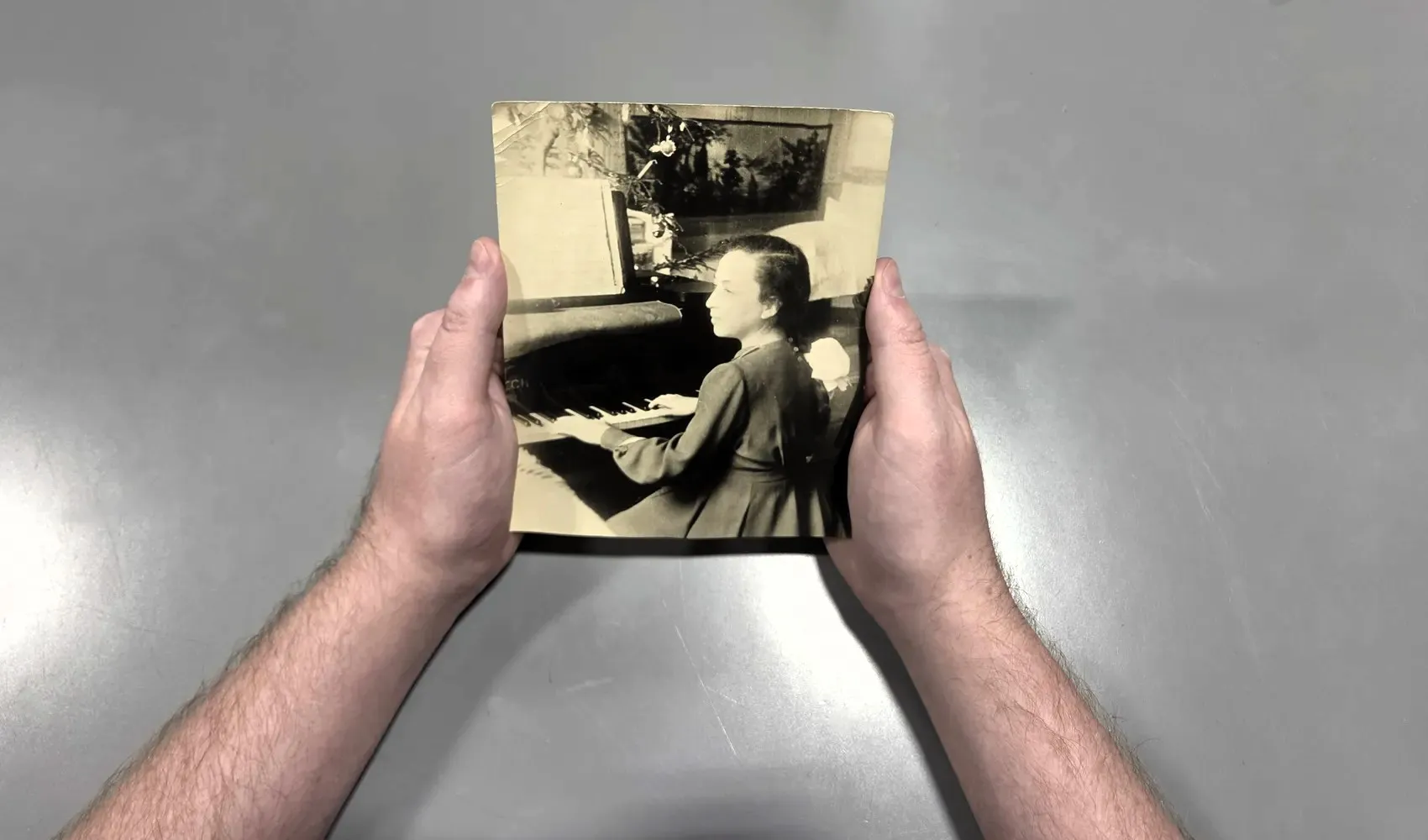
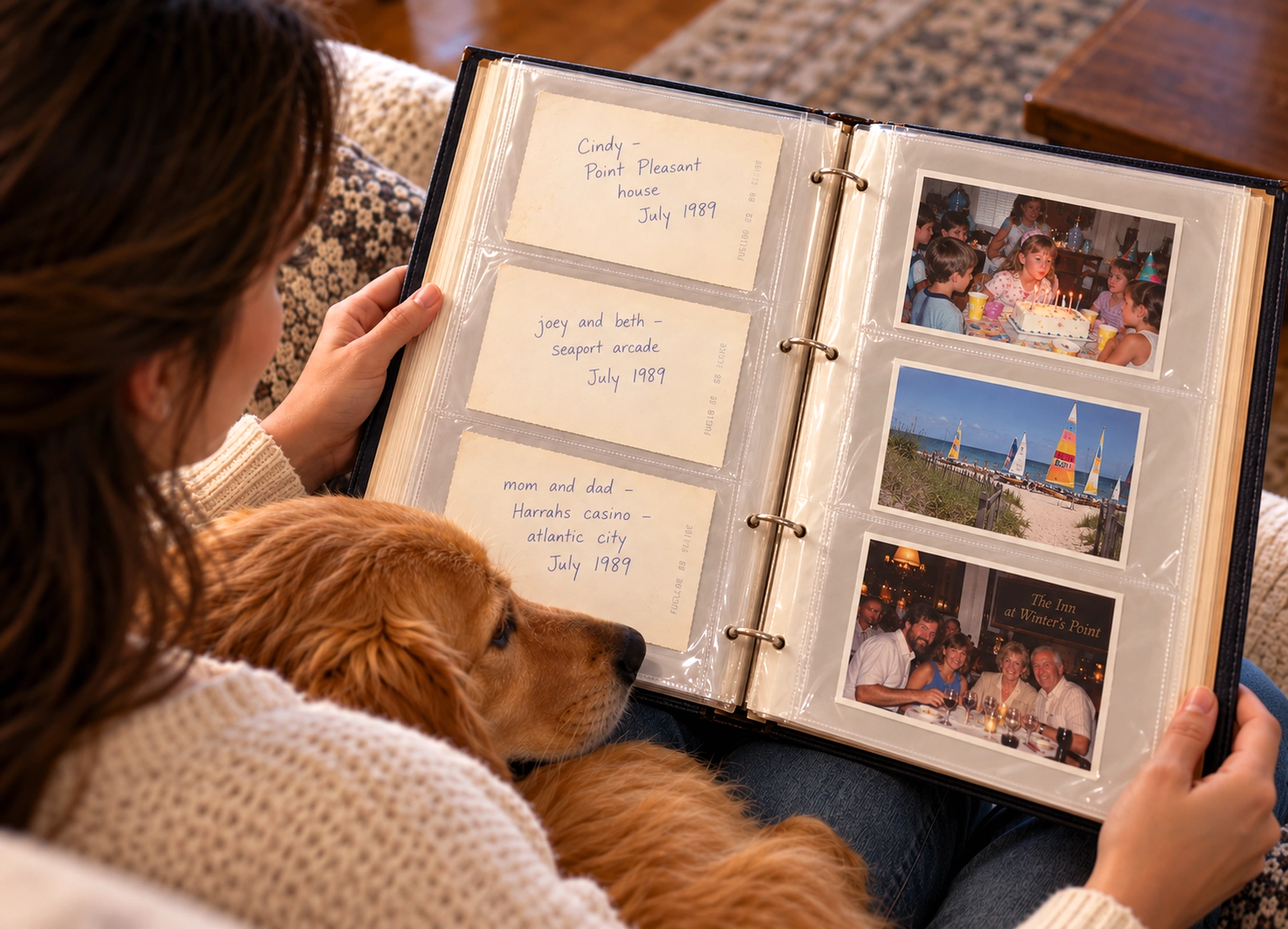
The first instinct after finding a photo like this is to look at it, not to plan what to do with it. That is the right instinct, until it is time to make decisions.
Inherited VHS tapes and home movies are often the last category families address when settling an estate, yet they're among the most time-sensitive.
What to Do With Inherited Home Movies and Media: Common Questions
What should I do first when I find VHS tapes or home movies in a parent's home?
The first step is to not throw them away. There is little sense in allowing these tapes to be destroyed by being played on an old (and often faulty) VCR and then tossing them in the trash. They would be just as likely to end up in a storage unit or in a box in your garage or musty unheated attic and get lost forever.
Store boxes in a stable environment such as a cool dry interior space, i.e. a climate-controlled room in your residence until you can properly process the contents. A cool dry interior space such as a home is an acceptable place to store unprocessed boxes for a short period of time while the remainder of the estate is being processed. Boxes do not cause damage until they are exposed to high heat, high humidity, physical stress from how they are stacked and stored or physical stress from how they are moved.
Once all of the immediate estate work is under control, an experienced transfer technician can be engaged to evaluate your parents' media collection. This technician can assess how to physically access the media, organize and confirm the different types of formats found within the collection, inspect for visible damage or Wear, and generally give an estimate of the potential problems that may be encountered during the transfer and restoration process. This service is offered at no cost and can be a tremendous value to the family allowing them to make informed decisions that they may not have made had they not had the benefit of the pre-transfer evaluation in the short window of time that is typically available.
What types of home movie formats might be found in an older person's home?
The wide range of formats that families come across when clearing a house includes many out-of-date TV recording formats including old VHS and Betamax cassettes. People may also find older video cassettes, forgotten 8mm and Hi-8 video cassettes, outdated film in the form of standard 8mm film reels and Super 8mm film reels and in some cases even the larger format 16mm film reels. People have a fondness for their photographs and these can turn up in a number of different forms including 35mm slides, either in a carousel or boxed, and standard print photographs in photo albums or just stored away in cupboards and drawers. Families may also find old audio cassettes and the oldest of all recording formats, reel-to-reel audio.
Most estates have a mix of all three. A family spanning the 1960s and 70s who had weddings in the 80s and 90s and raised kids in the 2000s may have some Super 8 footage of their 1970s birthday celebrations, some VHS tapes of their 80s and 90s weddings, and hard drives with early digital files from the 2000s.
As preservation decisions and restoration workflows differ depending on the file type, aging, and several other factors, different formats require different approaches. Often collections of aged tapes are treated as one large object or batch to process: a bunch of old tapes. Before deciding a transfer workflow or method it would be wise to understand the formats that are present within your collection of old tapes.
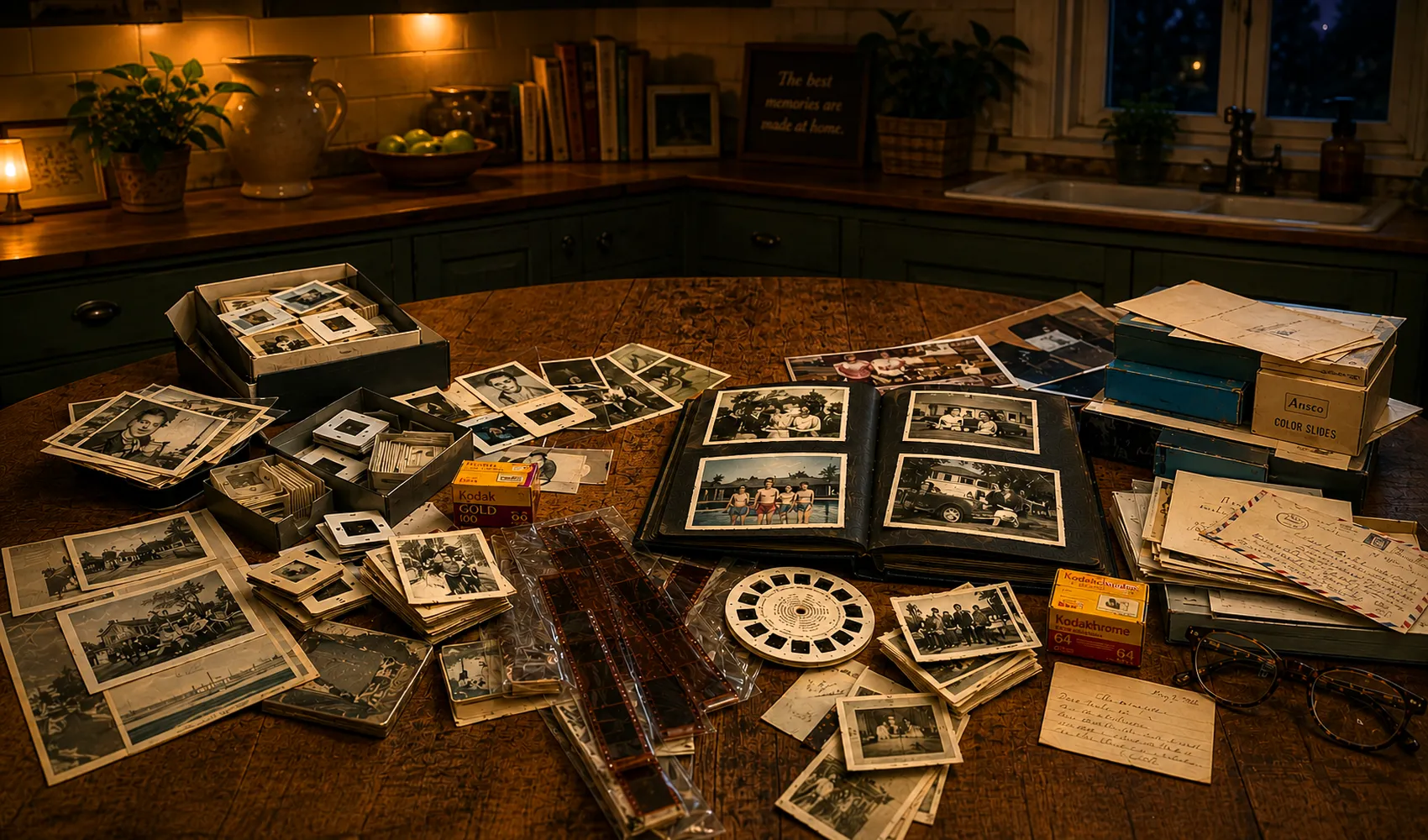
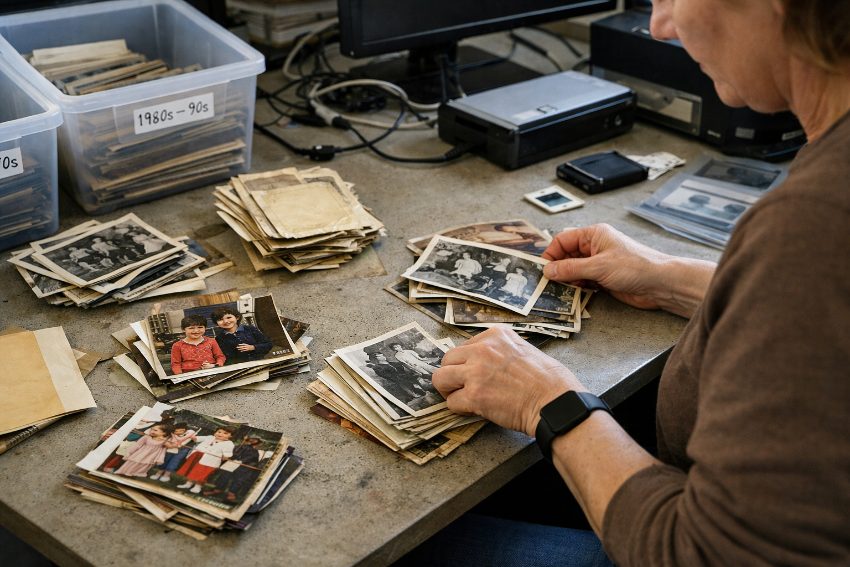
A typical inherited collection includes prints, slides, View-Master reels, and envelopes of negatives, often all mixed together.
A typical estate may contain several decades of formats: 8mm and Super 8 film from the 1960s and 70s, VHS from the 80s and 90s, and early digital files from the 2000s.
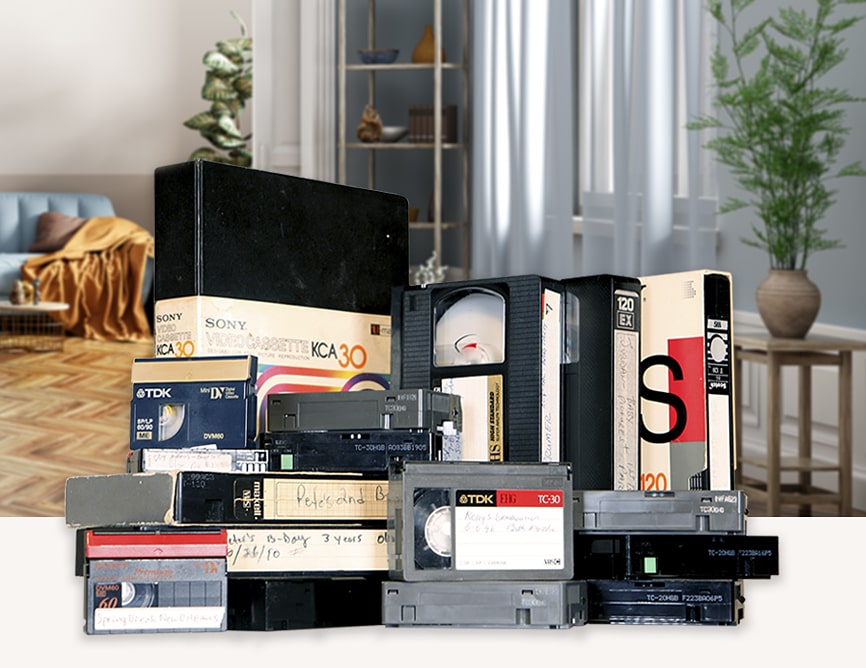
How Long Do VHS Tapes Last, and What Happens When They Are Stored in an Attic or Garage?
When considering the shelf life of a VHS tape, it is commonly misunderstood that the age of the tape is a determining factor as to whether or not it will play for years to come. In reality, the most critical factor affecting a video tape's longevity is where it is stored. Cassettes stored in a climate-controlled space with consistent humidity levels can be expected to last at least 30 to 40 years or longer, according to Library of Congress magnetic media preservation guidelines. Those sitting in attics, garages or damp basements can begin to deteriorate within five to ten years.
Heat, humidity and biological contamination are the most severe degradation mechanisms affecting magnetic media. High temperatures cause magnetic media to decay prematurely through destruction of the magnetic oxide layer. In addition, high humidity can lead to the growth of mold and mildew. When media is stored in bulk in cardboard boxes, the humidity of the media storage location causes the cardboard to absorb water. As the seasons change, the cardboard releases this water into the media storage space, placing periodic stress on the media.
Many people attempt to prepare their media for future estate disposition by pulling out and storing their tapes in their temperature controlled homes. Little do they know that those same tapes, stored in an attic, storage unit or damp and dark basement for many years are slowly deteriorating and will likely be in very poor shape by the time the heirs need them. Although the brightly colored cassette may look good, the delicate magnetic tape inside could be badly deteriorating. The only way to accurately know the condition of the tape is to have it evaluated by a knowledgeable technician using the proper test equipment.
Many people who store VHS tapes seem to forget the biggest enemy to their media collection: heat. The attics of homes are one of the worst places to store media in general, and especially during the summer. In many parts of the country the attics can reach temperatures of over 100 degrees during the summer months, conditions the National Archives identifies as highly destructive to magnetic media. This high temperature can cause the magnetic oxide layer on the VHS tape to break down. As the magnetic oxide layer breaks down, the binder that holds the magnetic oxide particles to the tape ribbon softens. As the binder softens, the magnetic oxide particles are released from the tape ribbon creating a condition known as "sticky shed." Tapes that suffer from "sticky shed" become sticky and start to release the magnetic oxide as they are played back through the VCR. Playing a tape with "sticky shed" can cause serious damage to the VCR transport mechanism as well as irreparably release the magnetic oxide onto the tape and other surfaces. Once the magnetic oxide has been released from the tape it can be extremely difficult or even impossible to remove from surfaces.
What most people know about their garage storage for tapes and records is that it is very hot. What is less well known is that it is also very humid. This environment is perfect for mold to grow on the cassette housings of your tapes as well as to deteriorate the physical tape itself. Even with the best of cleaning efforts, once mold has been introduced to the housing, it cannot be completely removed and will continue to transfer to the tape as it is removed from the cap, ultimately causing the tape to deteriorate. Once the tape deteriorates, the recording becomes unusable.
The breakdown is often not visible to the human eye. To the casual observer, tape stored properly in a cool, dry location can appear to be good as new after 20 years or more in storage, when in fact the chemical decomposition of the tape continues at a slow and consistent pace.
Reels of 8mm and Super 8 film are more prone to deterioration when stored in a sealed container in a warm environment. Over time the film will break down into a mixture of vinegar-like solution and clear gel. This mixture will penetrate the film base turning it dry and brittle, causing the dye image to separate from the film base. Storage in plastic containers in a hot storage unit would be amongst the worst storage scenarios for this type of material.
Should I try to play inherited VHS tapes on an old VCR found in the house?
No. This is one of the most common mistakes that causes the biggest damage in the settling of an estate.
An old VCR found in a house has not been maintained in years. If untreated, the tape heads and bulk of the transport will continue to deteriorate until they fail, resulting in progressively worse video and audio. When such imperfect tapes are played on an uncalibrated player, the result is even poorer video than a professional transfer would produce, and it still exacts a toll upon the original tape. That toll accumulates as the deteriorating tape sheds more oxide from the tape ribbon - the same material that encodes the video and audio information on the tape originally. Every time a degrading tape moves across the heads, it sheds more of what remains.
Many families will screen through the hours of playback to decide if any of it is worth keeping. What they don't know is that even the few minutes of playback that they do decide to keep will likely have some loss that a professional could have retrieved cleanly had they done the transfer properly. Our experience shows that when a tape is transferred correctly the first time the resulting quality is optimal. The tape should be played once, on the right equipment, with proper capture in place. That is what professional transfer is.
What is the biggest mistake families make with inherited home movies?
Most people procrastinate and archive the media, with the best intentions of getting around to doing something with it all later, but that rarely happens.From a Forever Studios estate media specialist: "We get calls from families who found the tapes six months ago and have been meaning to bring them in. The estate is settled, the house is sold, the boxes are in a garage somewhere. That is when you find out how much the delay cost. The media clock does not pause while life gets in the way."
Most families who delay find themselves exactly here: a collection that sat in storage for another year or two while the estate was settled, while life got in the way, while the project stayed on the list. When they finally bring the tapes in, the window is smaller than it would have been. In some cases, material that would have been recoverable two years earlier is gone.
But tapes aren't the only family keepsakes that suffer when we try to keep them around for generations. In humid storage, slides can become infected with fungus which eats away the emulsion. Photos in photo books or albums with adhesive backing generally do more damage over the years to the print than good.
There is a strong urge to liquidate newly discovered family treasures quickly. The estate clock has restarted, but the media clock, which began ticking long ago, runs much faster.
The time to act is as close to the moment of discovery as the family can manage. The estate clock and the media degradation clock are not running at the same speed, and the media clock has a longer head start.
How Do I Know If Old Home Movies Are Worth Saving, and What Does a Professional Evaluation Involve?
Almost always yes. Understanding what is actually present in inherited media is one of the most important things to know.
What are the visible signs of damage that families believe means that their media is ruined? Moldy cassettes, moldy smelling old tapes, and film reels that are stuck or slightly brittle? Faded, brittle, torn or crumbling black and white photographs? The good news is that in many cases, significant visible damage does not mean complete loss of the media contents. Moldy cassettes can be professionally cleaned before the mold has a chance to damage the tape surfaces. Faded photographs still contain a lot of information in their remaining tones, and with modern digital restoration techniques, it is often possible to produce a very good image from severely faded material. Stuck film reels can usually be carefully taken apart and remade with minimal loss of image quality. Brittle or torn tapes can often be restored with specialized cleaning and stabilization techniques.
There are very few instances where data cannot be recovered. The few examples include cases where extreme physical damage has occurred to the media, or where the media has decayed over time of even decades due to heat and humidity. In such cases the magnetic oxide or film emulsion has completely broken down and physical restoration of the media is not possible.
Families are consistently amazed at how much of their collection can be restored beyond their worst expectations. Instead of fear and uncertainty about what may or may not be recoverable, a professional assessment provides a solid handle on the project scope and requirements.
A professional evaluation is not complicated for the family. It involves bringing or shipping the collection to a transfer facility, where a technician reviews each item before anything goes into a playback machine.
The technician reviews several details concerning each cassette and its contents. These factors include: the condition of the cassette shell or reel housing; whether there is visible mold or evidence of tape oxide release visible through the tape window; the material's smell, which can indicate mold or chemical decomposition; the condition of the spools and transport mechanism; whether or not the format is unusual and requires special playback equipment; and whether or not any pre-treatment will be necessary prior to the transfer pass.
For film, the technician assesses whether the film base is brittle, if there is any sign of vinegar syndrome, and looks for any visible physical damage such as tears. Photo collections are checked for decay, poor print quality, whether they have been stored in photo albums with adhesive pages, and whether any pictures require physical restoration. Understanding how professional digitizing and restoration works before submitting a collection helps families set accurate expectations for what comes back.
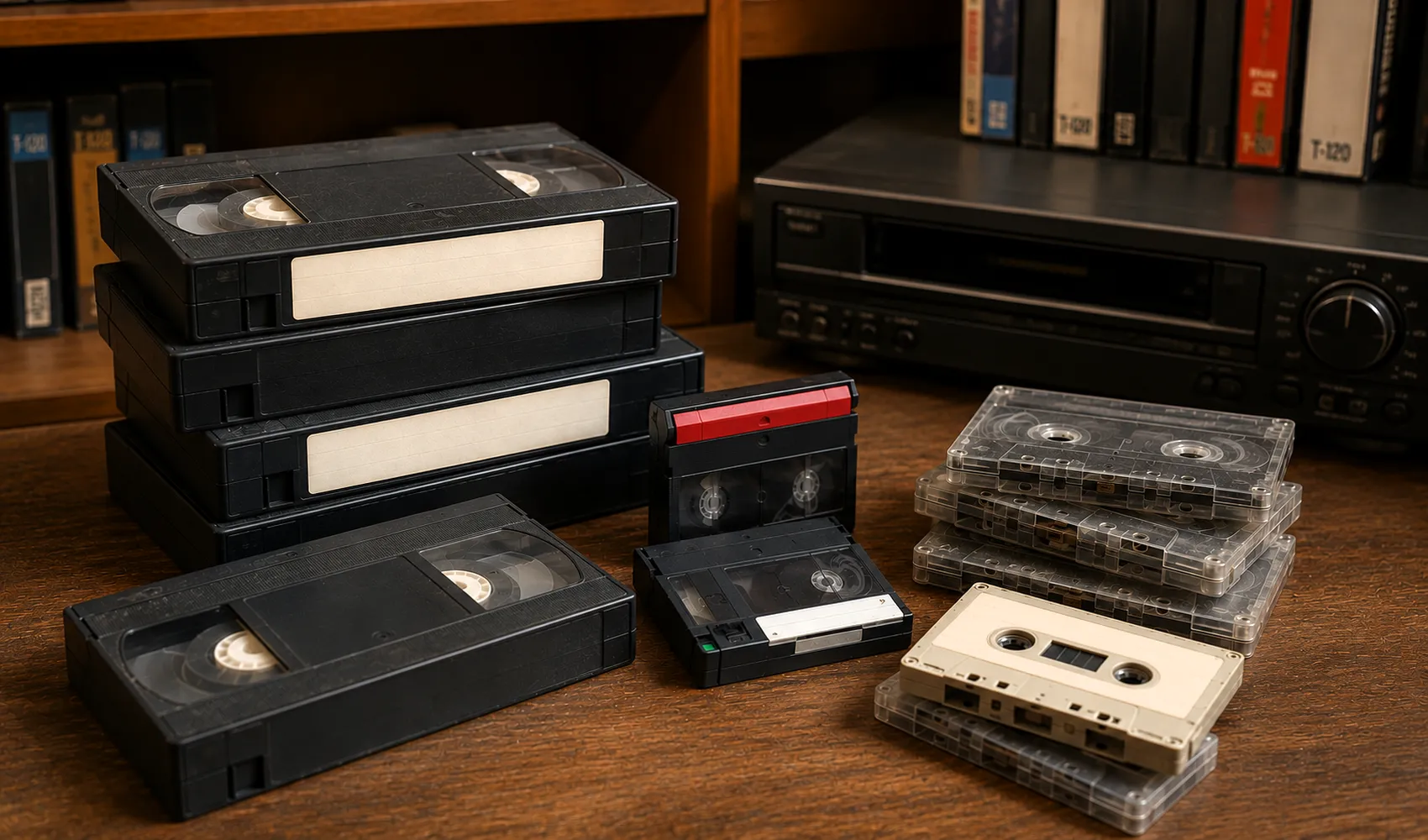
VHS, VHS-C, Hi8, MiniDV, and audio cassettes often turn up together. The format matters because each one degrades differently.
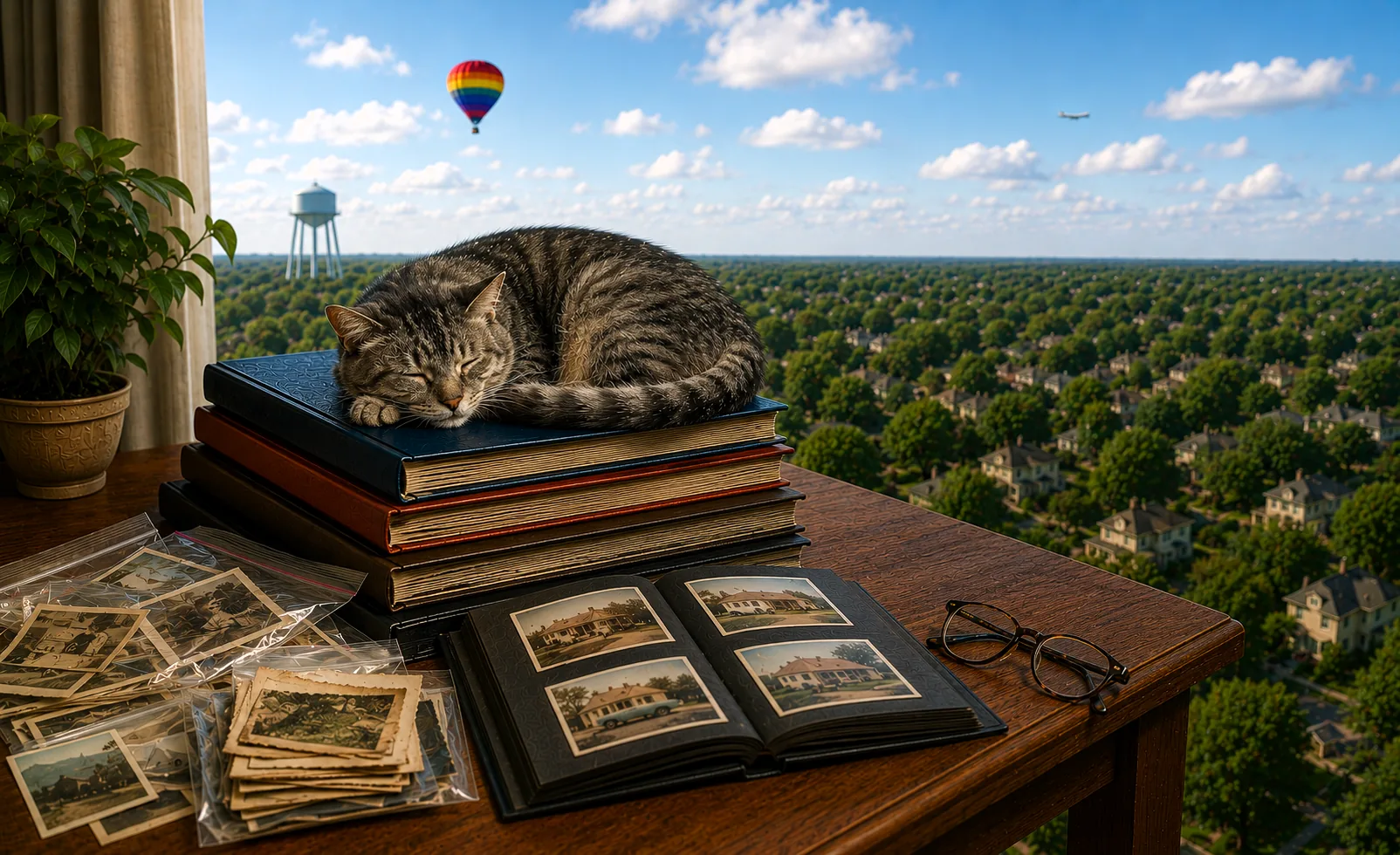
Attics and garages expose tapes to damaging heat and humidity cycles that accelerate deterioration far beyond what storage in a climate-controlled room would cause.
How Much Time Do I Have, and Is It Ever Too Late to Save Inherited Home Movies?
It's not an easy question but there is a general rule of thumb. Whatever can be saved, the sooner you start the better.
In addition to having been stored in less-than-ideal locations, tapes found in an estate have probably been deteriorating for more years than they originally sat on a TV stand or in a media cabinet. So, the first question is: how badly was the tape affected before it was even taken out of the box? The second is: even if the tape was damaged, is that damage irreversible? Or is there a reasonable chance that a professional can repair enough of the tape's deterioration to enable a good transfer?
Although media can be stored under optimal conditions and will still remain accessible for a long time, there is no such thing as an indefinite "safety" period. Degradation will occur slowly, but surely. What is acceptable today will be less acceptable tomorrow. The key is to use the estate discovery as the trigger. We have seen cases where families finalize the settlement of an estate only to discover that the media was significantly undervalued. The asset evaluation can be occurring in parallel with the settlement of the estate. There is no harm in the call and it costs as much as a phone number and a phone call.
Can damaged or moldy VHS tapes be transferred to digital?
Yfs, in many cases. Conditions such as mold, physical damage, or sticky shed syndrome are not automatically disqualifying for transfer.
Mold can be cleaned off with a mold cleaning device before playback. Depending on how long the mold was on the tape prior to storage there could be some loss in that section of the tape, but hopefully the mold will not have gone all the way across the section you are trying to restore.
Sticky shed syndrome is treatable using controlled low-temperature baking trials in order to lock the tape out just enough to capture one decent transfer and record it in a suitable digital format. After that the original tape is spent. There is a window of opportunity to perform this treatment: the binder is active enough to fix the tape adequately during that window, but the risk of advanced sticky shed rapidly increases as time goes by, and once the binder has completely failed there is no going back.
Physical damage to cassettes is rarely catastrophic and usually can be repaired. If the tape ribbon is badly broken or the cassette housing is very cracked, the housing can simply be replaced with a new shell and the ribbon redeployed. Seriously creased or pinched sections may have to be repaired from a "donor" cassette. The loosest and easiest problems to fix are detached or loose spools.
How are digitized home movies typically distributed among family members after an estate?
The practical answer is digital files, correctly sequenced by tape or reel, delivered on a drive or cloud link, and shared freely from there.
Instead of having to choose one child to be the tape guardian of the original tapes and then have the other family members fight for access to the family movies, digitized files can be copied and distributed to all. Each family member can have their own copy. That homemade holiday movie that grandma made in 1978 can now be copied and distributed to all of the grandkids, and a family archive can be maintained and accessed by all members of the family, forever.
The organization of the data is just as important as the data transfer itself. Files listed such as "Tape 01, Tape 02, Tape 03" are a lot less useful than files that are organized by year with content that can be identified. Good services will ask these questions of the families as they accept the collection and do their best to organize and contextualize it.
What should estate attorneys and trust officers know about analog media in an estate?
Unlike most assets of the decedent that are distributed as part of an estate, the value of media assets decreases over time. In addition, the rate of decrease is impacted by the conditions under which the media is stored. Unlike a financial account, the value of a collection of analog media does not hold steady during the period of settlement of an estate. Analog media sits on shelves and loses value as the years pass, and unlike almost any other asset, a media collection can actually decrease in value while the estate is being settled.
There is a brief but unique window of opportunity to save priceless items that jewelry and furniture can't, and attorneys and trust officers who encounter analog media in the course of administering an estate are often very glad to hear of a qualified professional who can handle these items before they get swept up in the usual estate administration processes.
Forever Studios works with estate attorneys and families to help identify and transfer media assets. We can evaluate the media with the family while they are winding down the rest of the estate, schedule the transfer for later, and have it completed within a few weeks. Someone should focus on the media before someone important forgets to do so.
Sometimes, yes. But those cases are less common than families fear.
Most people are unaware that many families consider their lost tapes to be unrecoverable. But even severely damaged tapes contain a large percentage of recoverable material. Because of the way video tapes and photos deteriorate, not all of the tape or photo is equally affected. In many cases, most of a severely damaged tape can be partially recovered.
By "too late" we mean situations where media has been in extreme circumstances for an extended period of time - decades in a flooded basement or similar environment, or in car trunks or unventilated storage containers over multiple summers. These type of situations are the exception rather than the norm. For typical estate situations, where the media has been in a house, a garage, or a storage unit for some years in imperfect but not catastrophic conditions, professional evaluation almost always finds something worth recovering.
What to Do Next
VHS tapes, film reels, slides, and photographs all represent the irreplaceable family legacy of the deceased. It is crucial to keep all media in a dry, indoor, stable environment, NOT IN ATTICS, GARAGES OR STORAGE UNITS, until a professional assessment has been made of its contents.
This evaluation makes no commitment on your part, but provides you and your family with the information on what is in your collection, the degree of damage, the extent of repairs needed and an estimate as to the time and means to accomplish those repairs. Then you and your family can decide on a schedule that fits.
Forever Studios frequently receives inherited media from our clients as well as from referrals from Estate Attorneys and Trust Officers. See our VHS to digital transfer service for full details on what we do before we ever hook up a machine to transfer your old tapes, films and photos. We work with 8mm and Super 8 film as well as photo digitization and restoration. We can help families identify what is in their collection before it deteriorates further.
If you have questions about a specific collection, start with our overview of how the digitizing and restoration process works, or reach out directly. We are here to help families understand what is still there before conditions make that harder to answer.
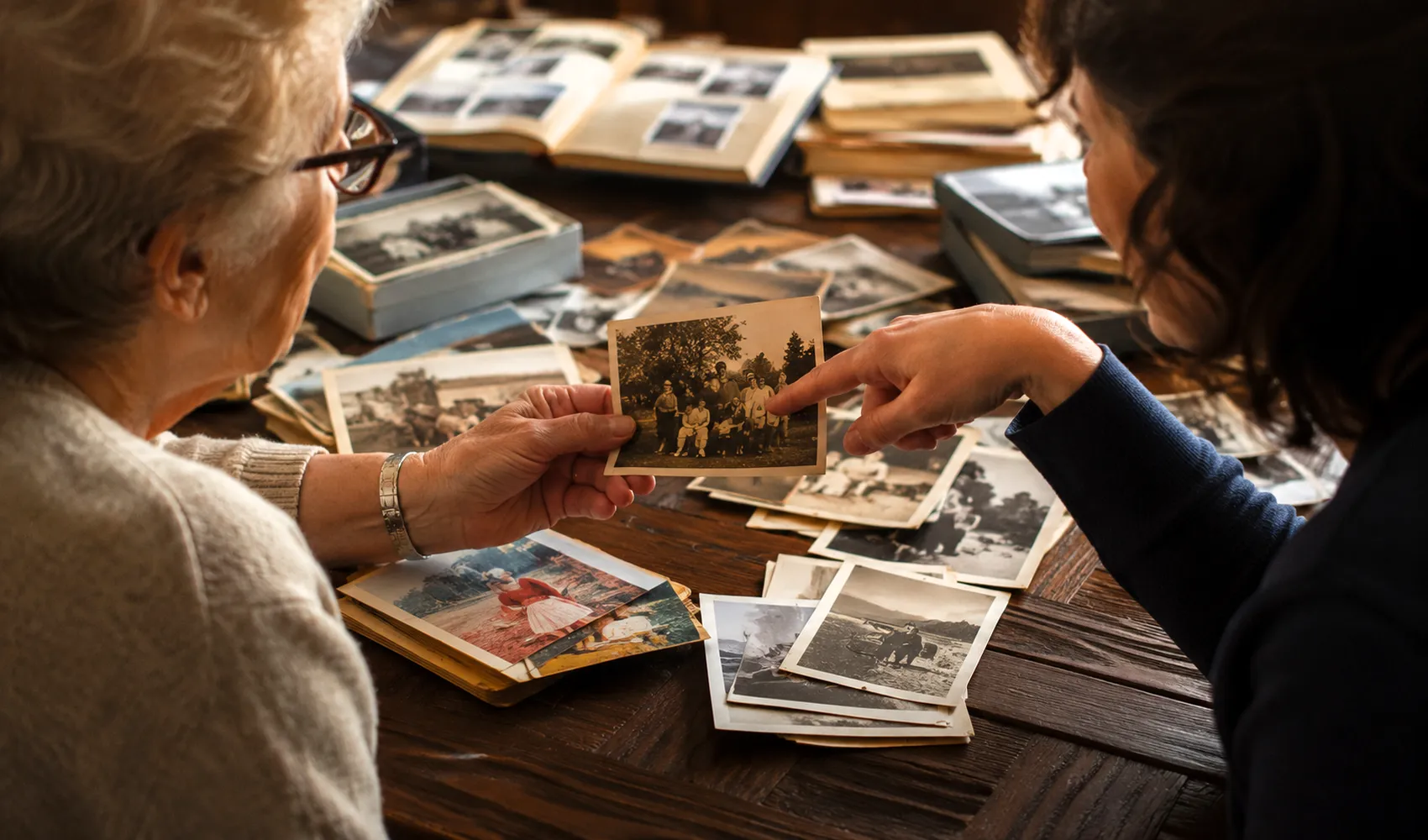
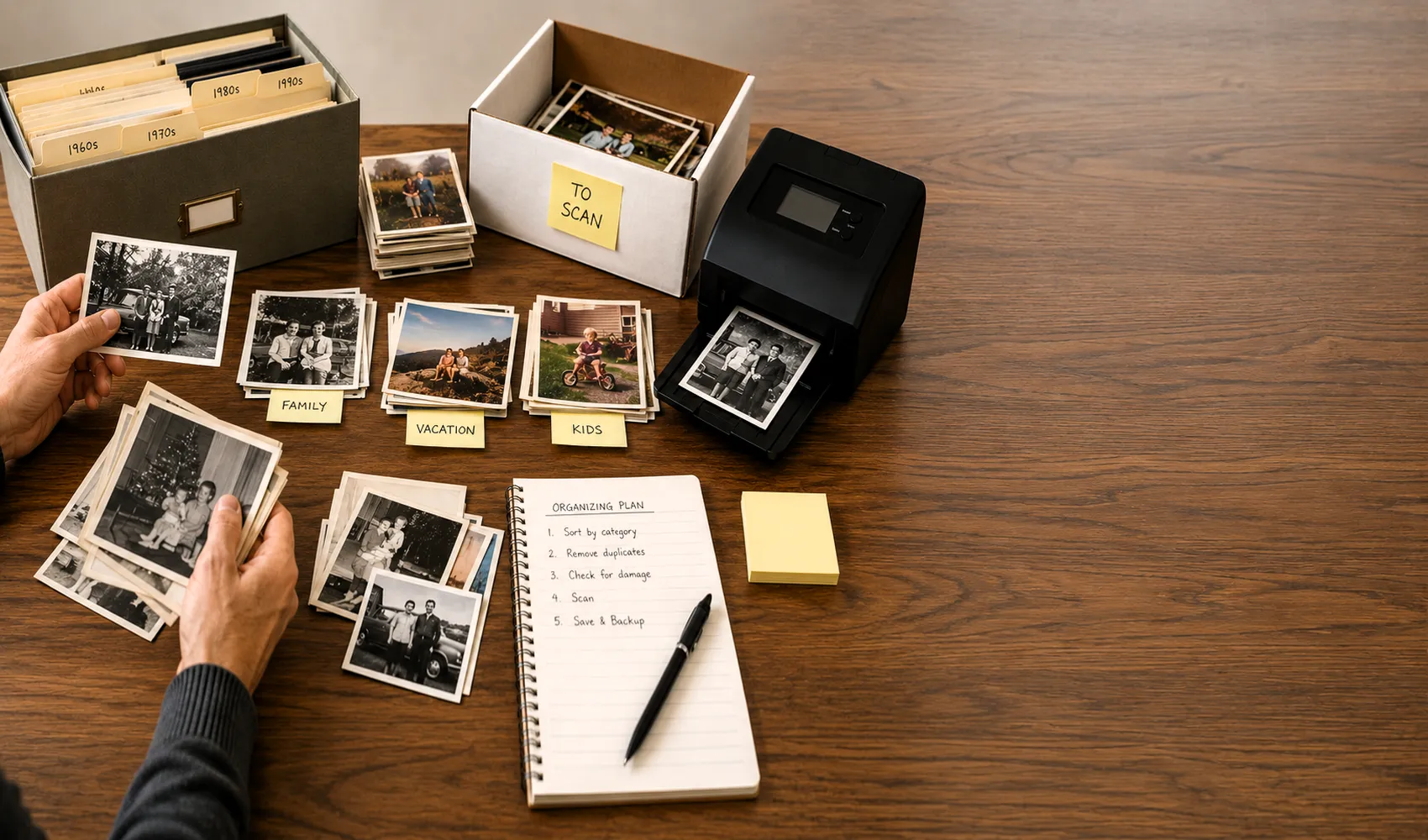
Identifying who is in each photo is easier when the older generation is still in the room. This step is what unlocks the value of the entire collection.
Digitization turns a single fragile tape into a file every family member can keep. No more fighting over who holds the original.
---

Ready to digitize it right the first time?
Bring your tapes, film, and photos to the team that treats every project as irreplaceable. All work is handled in-house in Boca Raton, never outsourced.