The 2026 Guide to Tape Digitizing Services
Your complete 2026 guide to choosing the right tape digitizing service. Learn what matters, what to avoid, and how top VHS transfer services compare.
Contents
Well… here we are again. Another year, another excuse for the Vintage University team to step back, look around, and try to make sense of what’s actually going on in the world of tape digitizing services. And if you’ve been following along with us for the past couple years, you already know how this goes.
We’re going to talk about what’s changed, what hasn’t, what’s gotten better, what’s gotten worse, and a few things that most companies in the tape digitizing space either don’t talk about… or don’t fully understand well enough to explain.
The Yearly Vintage University “Disclaimer” About Our “Total Lack of Bias”
And yes (before we get too far into this) we’ll go ahead and say it again for the third year in a row:
This is Forever Studios’ in-house blog. We do have a dog in this fight. And we are absolutely going to explain why we think we’re the best option out there. We’re not going to pretend otherwise.

Hey there folks, here I am in the flesh, photographed while in the process of writing the exact article you're reading right now. No matter how busy things get at Forever Studios, I still enjoy writing Vintage University articles way too much to stop doing it.
But at the same time, we’re also going to give you something that’s honestly a lot more valuable than a simple recommendation list.
We’re going to explain how this entire category actually works. Because in 2026, the gap between what people think videotape digitizing is… and what it actually is… has gotten wider than ever.
So… What Are We Actually Going to Cover Here?
If you’re planning to stick with us for this one (and we think you should), here’s what you’re in for.
We’re going to walk through:
-
what tape digitizing actually is (and why it’s not as simple as it sounds)
-
what really happens behind the scenes when your tapes get transferred
-
where things tend to go wrong, and why a lot of services don’t catch it
-
what’s changed in 2026, especially with AI entering the conversation
-
and of course, how the major players stack up right now
And along the way, we’re going to point out a few things that might change how you think about this entire process. Because by the time you’re done reading this, you shouldn’t just have a list of tape digitizing services. You should understand what you’re actually choosing between.
What Most People Think Tape Digitizing Is
Let’s start here, because this is where almost everyone begins. Most people picture tape digitizing as a pretty straightforward process:
You take a VHS tape, you put it into a machine, you press play, you record it onto a computer, and now you’ve got a digital file.
That’s it.
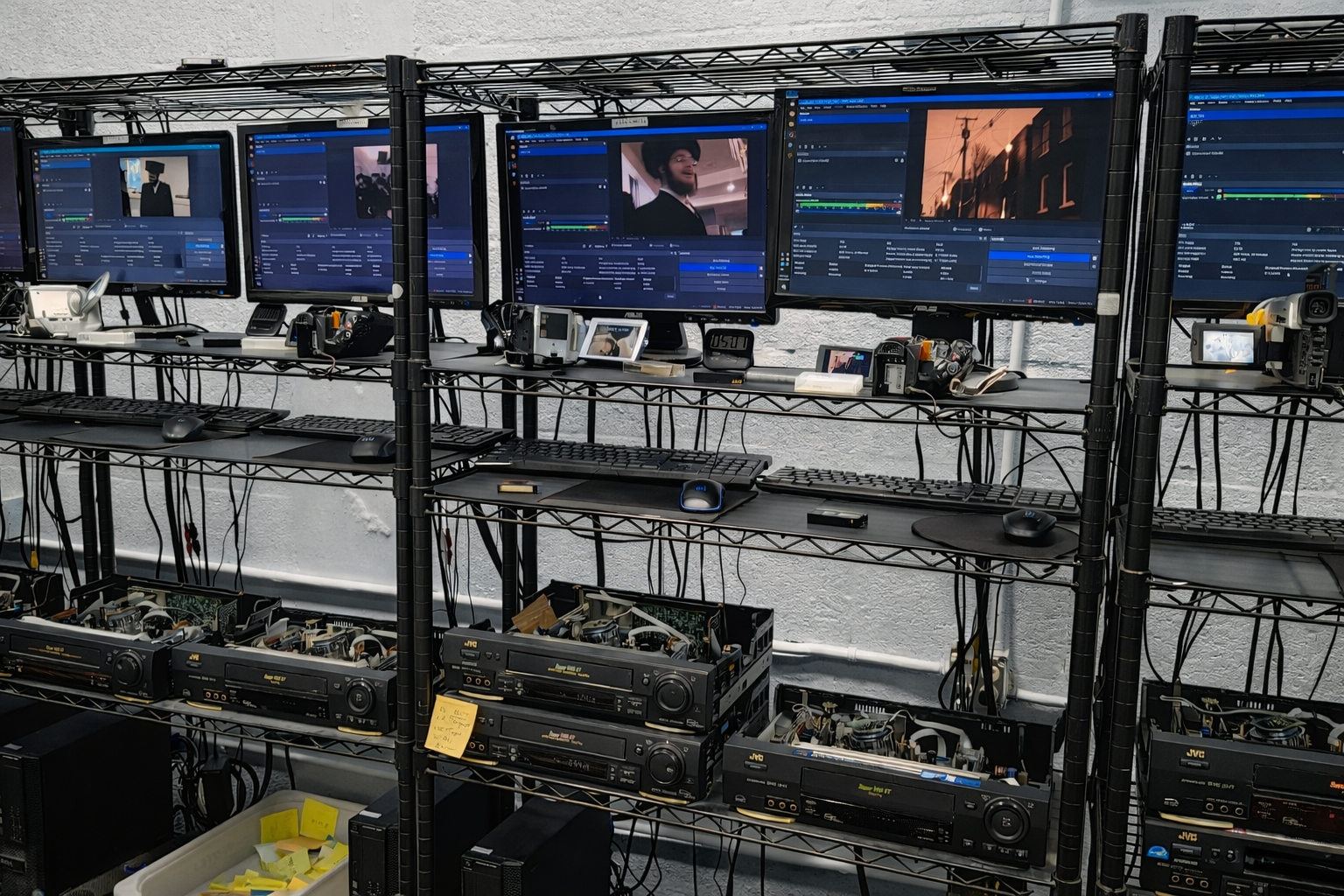
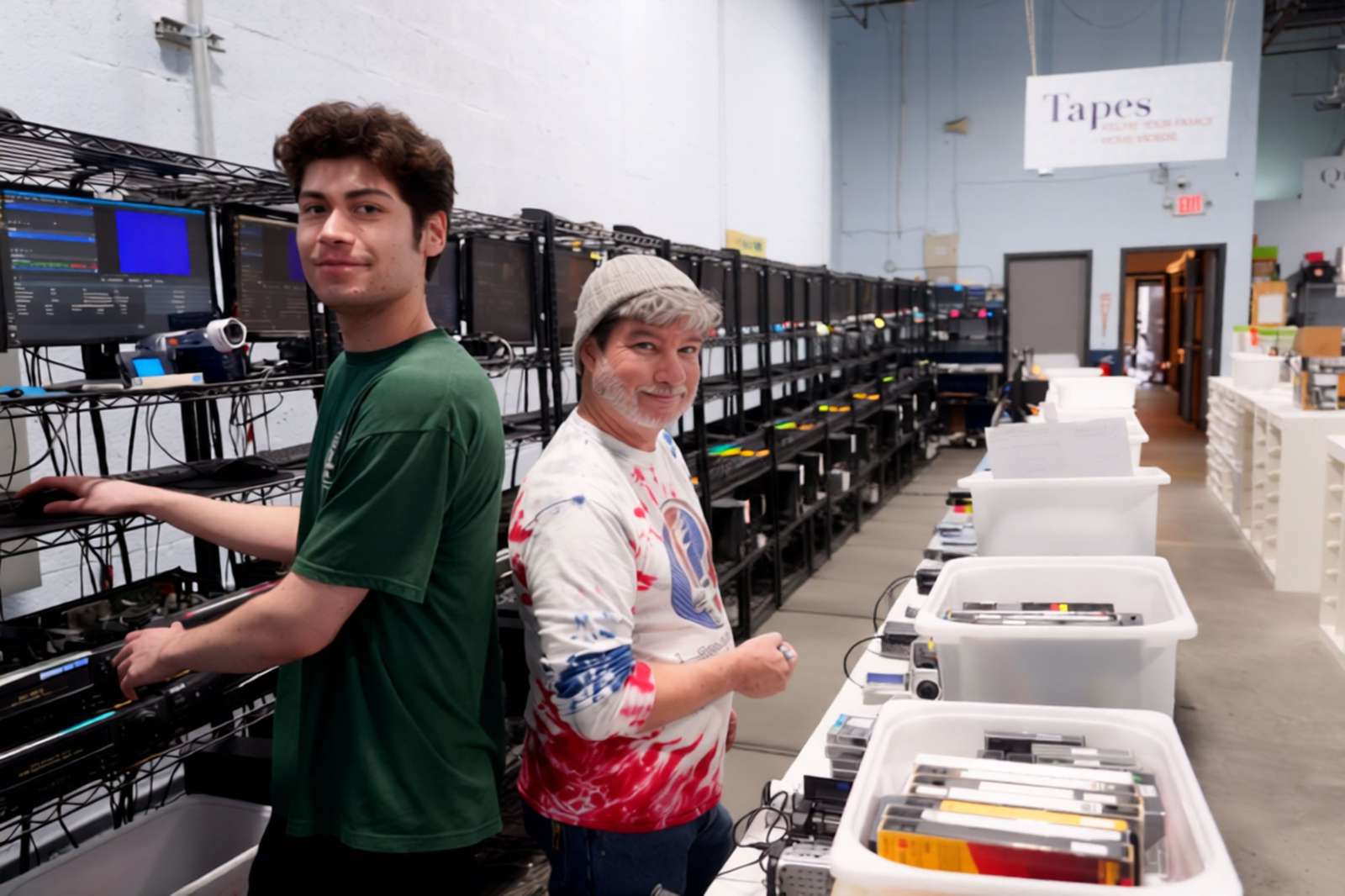
Ever seen a professional video tape capture rig in person? If you just answered “yes”, I’d ask you to please stop reading our blog articles while on the clock and keep your eyes on our tape captures instead. But in all seriousness, the process is way more complex than most people would ever guess.
And technically speaking… that’s not wrong. That is a version of tape digitizing. But it’s also the most basic, stripped-down version possible. And more importantly, it ignores almost everything that actually affects the outcome.
Because the reality is:
That simple “press play and record” process doesn’t account for:
• the condition of the tape
• the behavior of the playback device
• signal stability
• tracking issues
• audio inconsistencies
• or what happens when something inevitably doesn’t go according to plan
And if you’ve ever actually worked with old vhs tapes… You already know things don’t go according to plan.
The Reality of What Actually Happens When a Tape Gets Digitized
So let’s slow this down and walk through what this process actually looks like in a real environment. Not the simplified version. The real one.
At a professional level, tape digitizing doesn’t start with playback. It starts with intake.
That means:
• physically inspecting the media
• evaluating its condition
• identifying potential issues
• and documenting everything before anything is even powered on
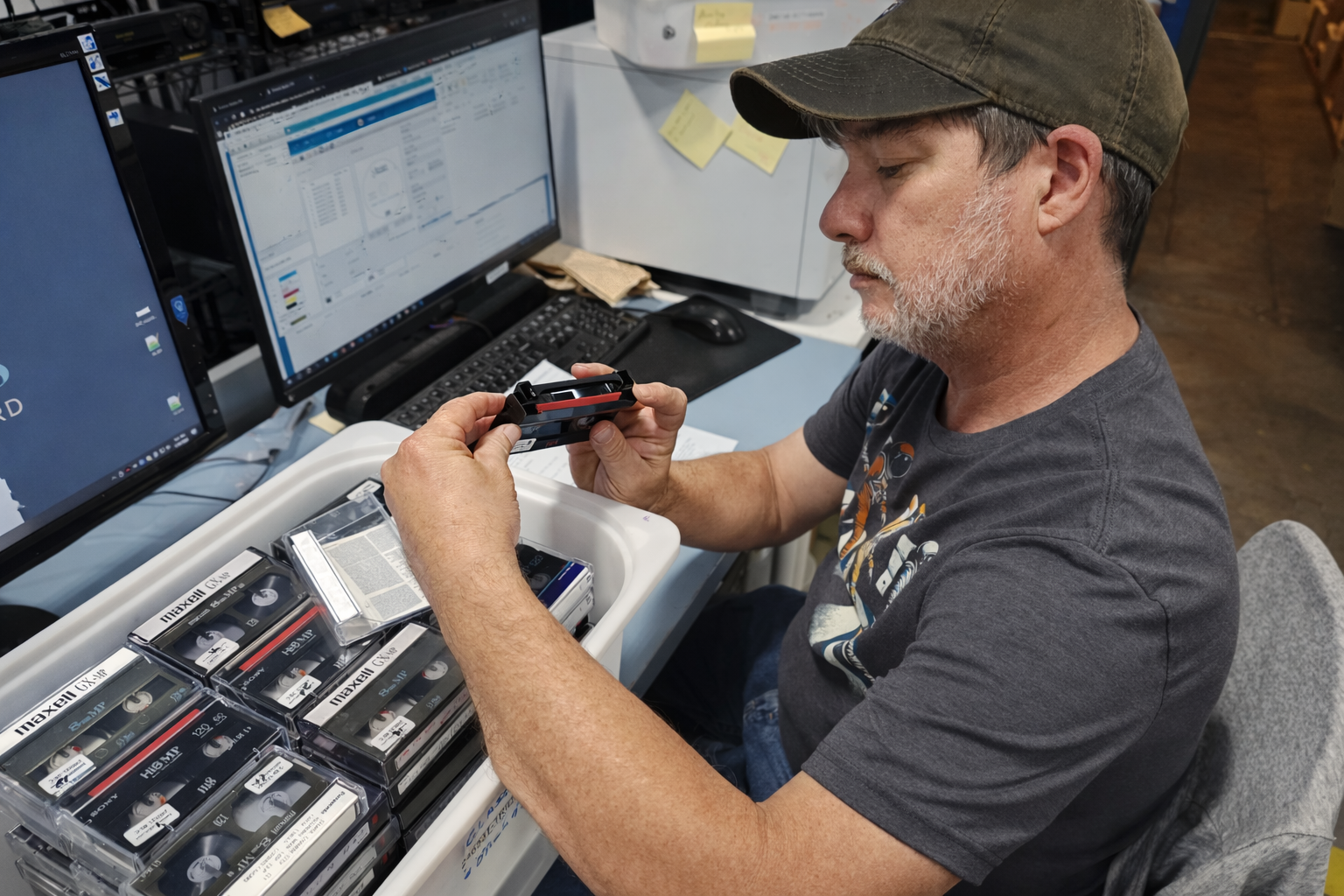
Pictured here is David Jacobs, our long-time head of Video Tape Digitizing and official “setter of standards”. David is the kind of guy that doesn’t allow anything to compromise the quality of our work.
At Forever Studios, every project goes through this step. Not because it’s nice to have. Because it’s necessary. Because once you start the capture process, you shouldn’t be reacting to problems. The goal is to not be surprised by them in the first place. So if anything immediately stands out during intake, it gets logged and noted before it heads to production.
From there, the tape moves to an engineer. And this is where things start to diverge from what most people imagine. Because before anything gets played, there’s prep work.
Sometimes that’s simple. Sometimes it’s not.
Sometimes it’s:
• cleaning the tape
• checking for physical issues
• making sure the housing is stable
And sometimes, it’s figuring out whether the tape is even safe to run.
And once all of that is done… That’s when the capture process begins.
The Hardware Factor (And Why It Matters More Than You Think)
Here’s something that almost nobody talks about: The VCR matters. A lot. Different machines produce different results. Some introduce noise. Some handle tracking better than others. Some are worn down in ways that subtly degrade the signal without you even realizing it.
And if you’re running hundreds or thousands of tapes… Those differences compound.
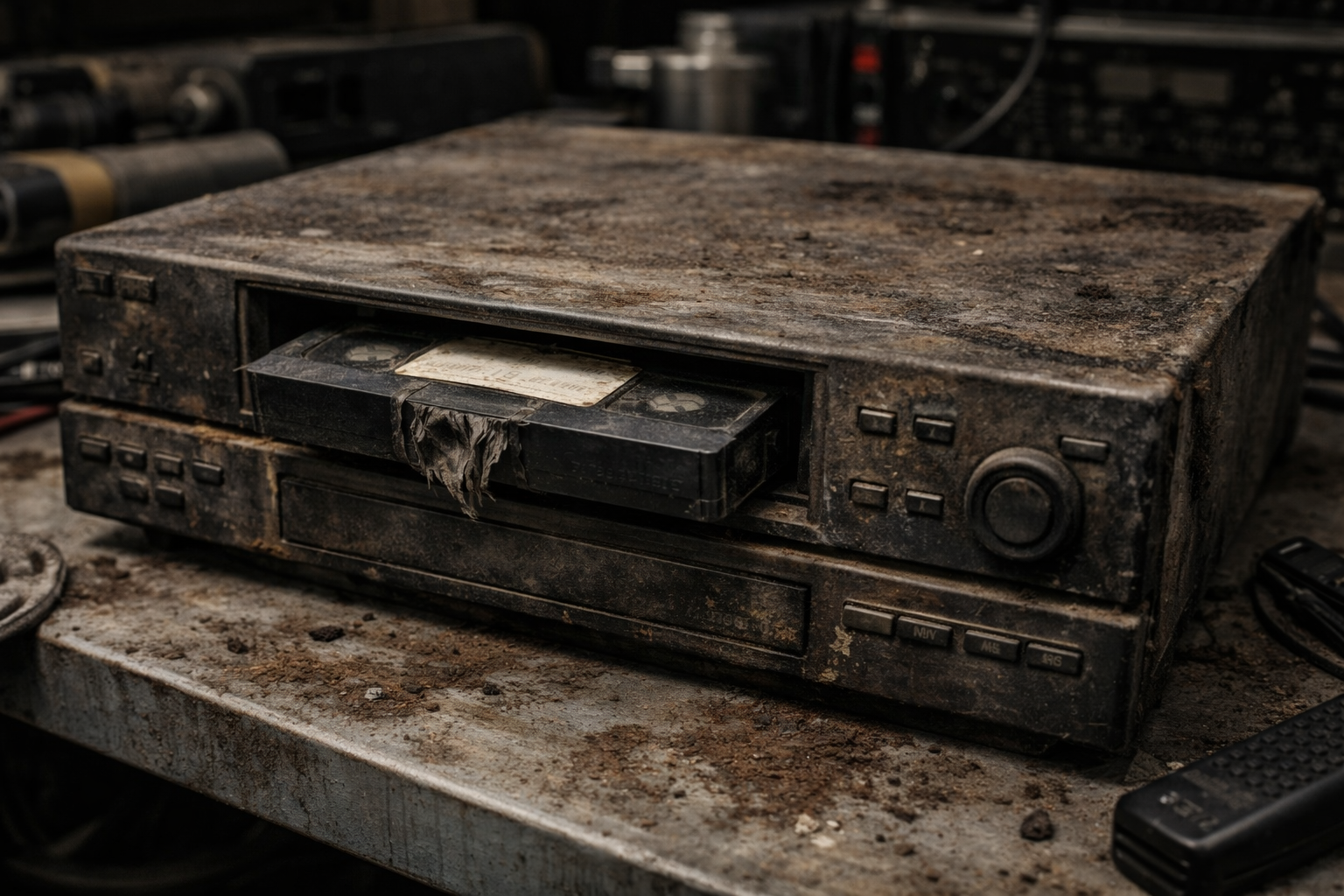
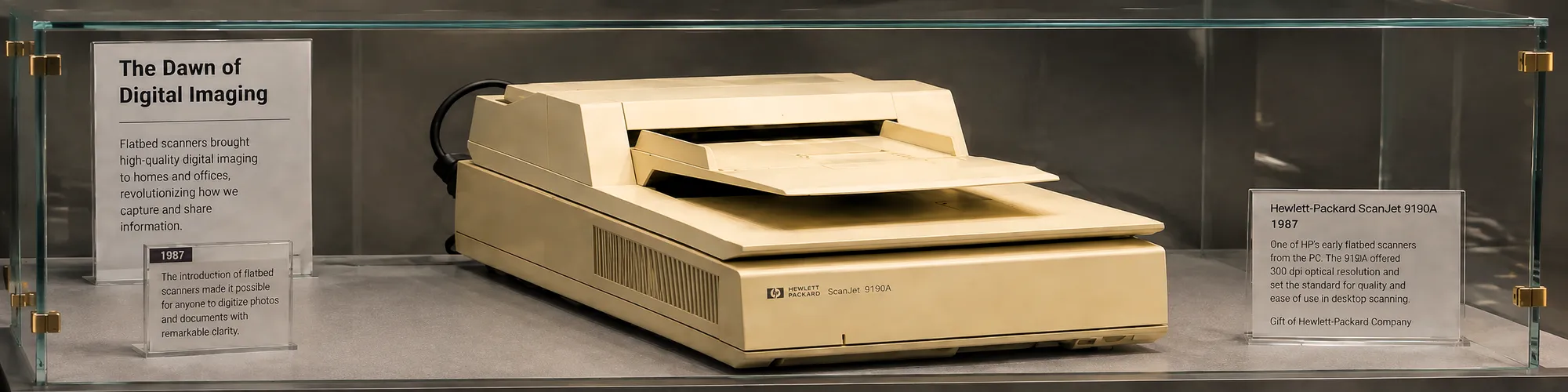
We're not saying that any of our competitors are using machinery that looks quite like this, but what we are saying is that the quality of the gear matters, and whether or not it is regularly maintained and cleaned matters even more.
Most large-scale providers use a mix of videotape capture machines. Whatever they can source, whatever still works, whatever keeps the pipeline moving.
And that leads to something most customers don’t expect: Inconsistent results within the same order.
Why Do All of These Video Files Look Totally Different?!
One tape looks fine. The next one looks off. And there’s no clear reason why.
At Forever Studios, we eliminated that variable. We use one specific model of JVC SUPER VHS VCR across the entire operation. Every tape runs through the same baseline hardware. And more importantly, those machines are constantly maintained. Heads cleaned. Components serviced. Top casing removed for easier upkeep.
Because consistency isn’t something you can add at the end. It has to be built into the system from the beginning.
Monitored Capture vs “Set It and Forget It”
Now we get to the part that most people assume is the whole process. Playback & capture. But here’s where the biggest difference shows up. There are two ways to handle capture:
Passive Capture: Press play. Let it run. Capture whatever happens.
Active Capture: Watch the signal. Adjust in real time. Intervene when necessary.
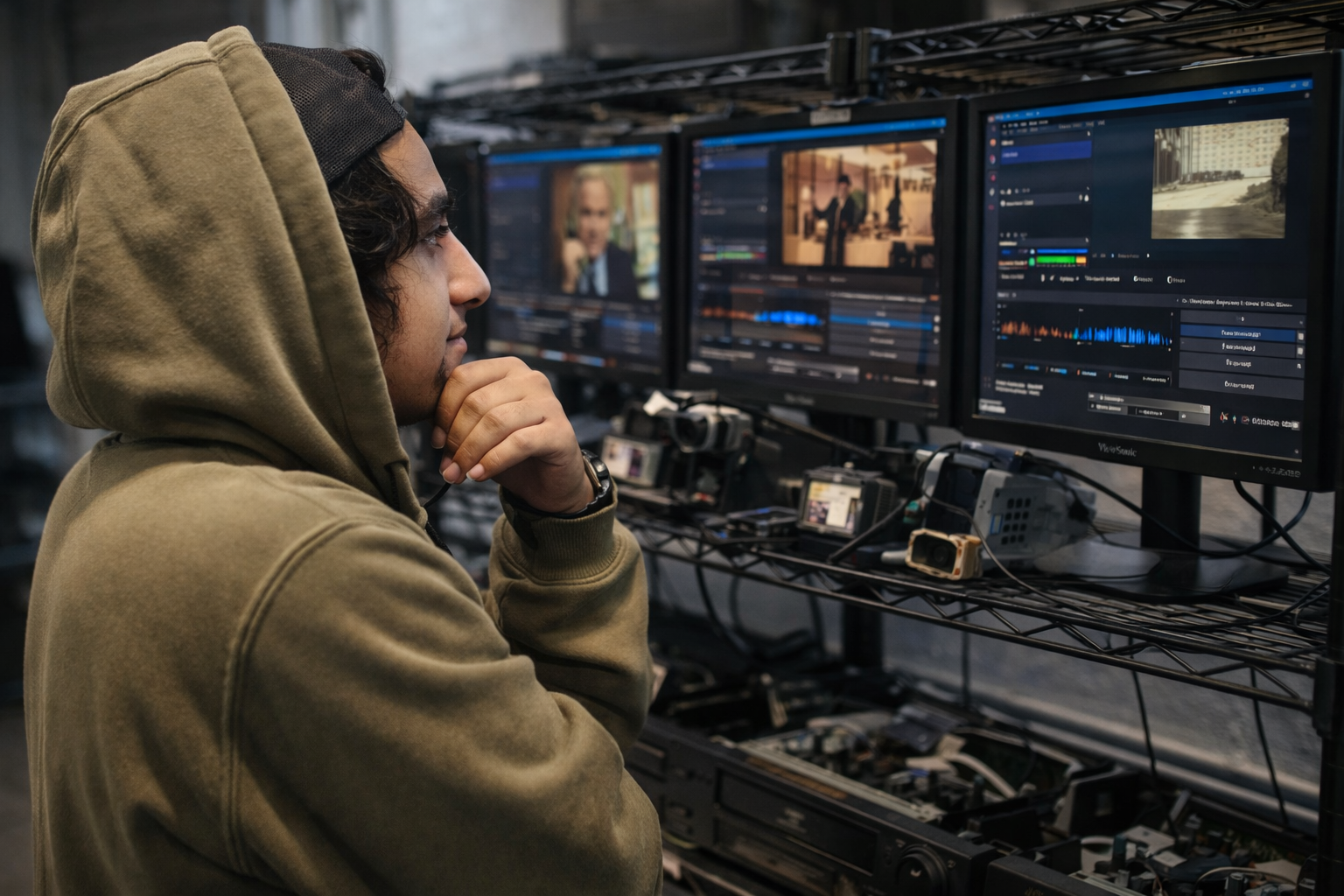
Here’s one of our Staff Engineers in his natural element, monitoring captures in real time. Joal Caldera is like many of our staff at Forever Studios, in that he has an extensive background in the arts that makes him a perfect fit for the sort of work we do. In Joal’s case, he’s a pretty accomplished photographer.
Most services operate closer to the first model. Because it’s faster. Because it scales more easily. Because it doesn’t require constant attention.
But it also means:
• problems go unnoticed
• issues go uncorrected
• and the output reflects whatever happened
At Forever Studios, every capture is monitored. Our engineers are watching the footage as it’s being transferred. If something looks off (even slightly) they step in. They don’t wait until the end. They don’t assume it’s fine. They stop. Adjust. Re-run if needed. Because the goal isn’t to “complete the transfer.” It’s to get it right.
Where Tape Digitizing Goes Wrong (And Why People Don’t Notice Right Away)
This is one of the most important parts of this entire conversation. Because a lot of the issues in tape digitizing aren’t obvious at first.
Common problems include:
• tracking instability
• signal noise
• color fluctuation
• audio drift
• physical degradation artifacts
Now here’s the tricky part: A lot of these issues don’t immediately jump out at you. They show up as:
• “something feels off”
• “this doesn’t look quite how I remember it”
• “this part seems a little rough”
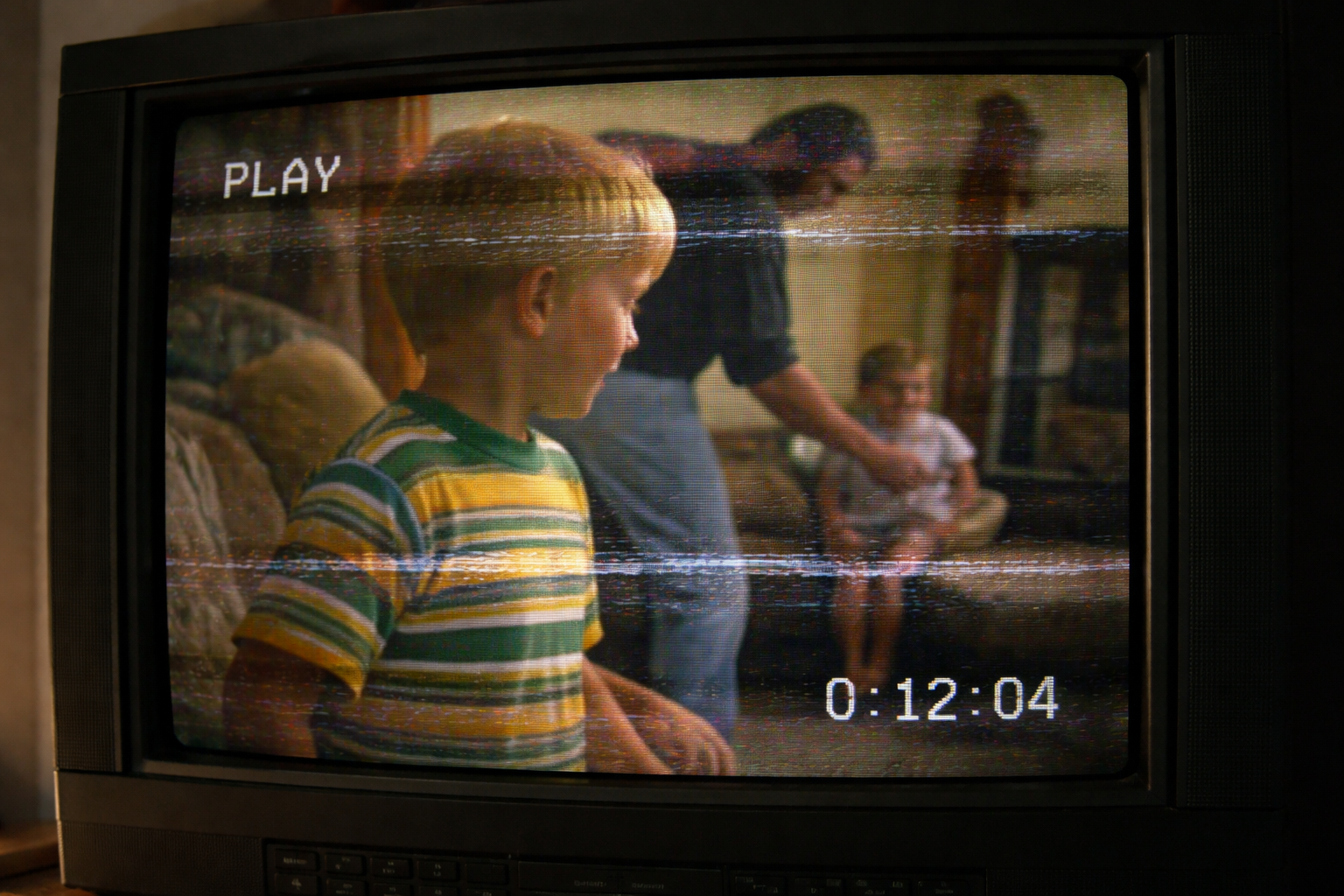
Tracking issues and other imperfections that are inherent to VHS playback are something that can be optimized against during the digitizing process. While the footage itself can’t be magically made to look like modern footage, a good digitizing process should actively minimize how much “noise” ends up in the final digital video files.
And because expectations are already fuzzy (we’ll get to that in a second), people often assume: “That’s just how it is.” Sometimes it is. Sometimes it isn’t.
And the difference is usually whether someone took the time to:
• notice the issue
• understand it
• and attempt to improve it
The Human Element (The Part You Can’t Automate)
This is where everything separates. You can have good machines. You can have decent software. You can even have a structured process. But if nobody is actually taking ownership of the result… It shows.
Most large providers operate like pipelines. Your tape moves through a system. Each step gets completed. And whatever comes out at the end… comes out. At Forever Studios, that’s not how it works.
Every project has someone responsible for it.
Someone who:
• understands what they’re looking at
• knows what should and shouldn’t be happening
• and is willing to step in when something isn’t right
That changes everything.
Because now:
• problems get caught
• decisions get made
• and quality becomes intentional
Not accidental.
Expectation vs Reality (Why This Feels So Different Than You Think)
Here’s something we see constantly: People remember their old home video footage as being better than it actually is. And that makes sense. You’re remembering the moment. Not the medium.
But when you finally see that footage again… There’s a moment where reality sets in. And that’s where a good transfer matters.
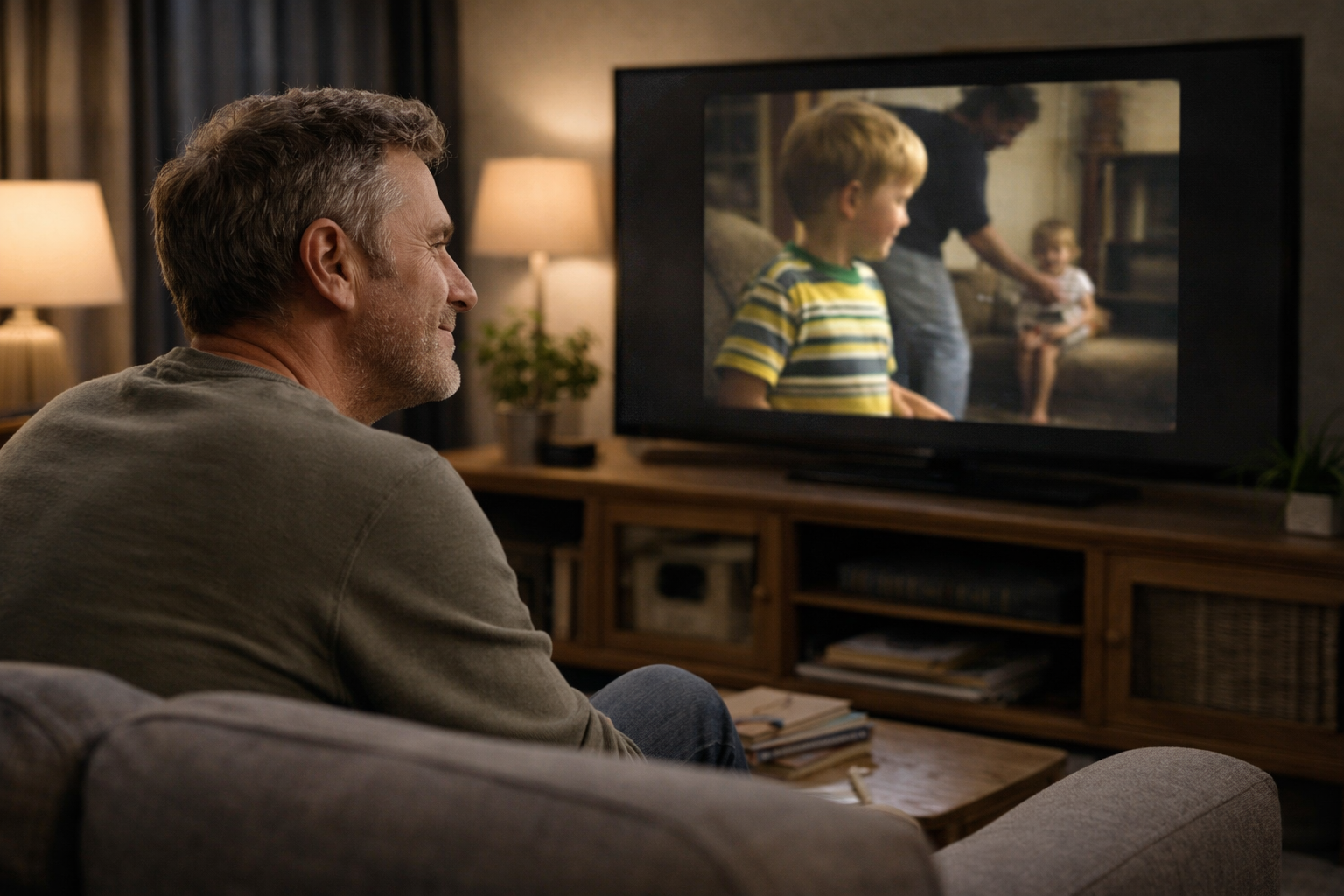
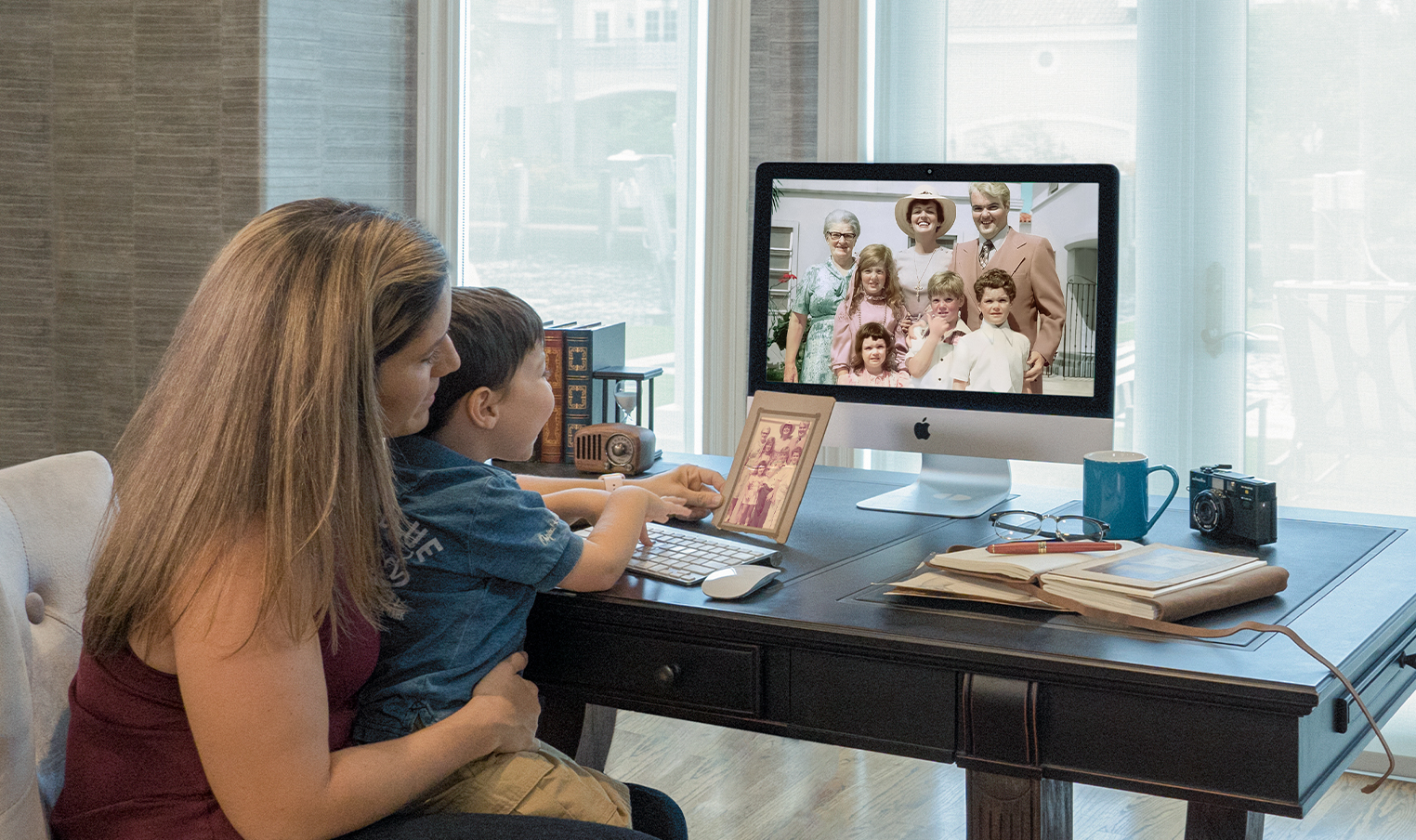
A big thanks to our friend Jimmy Franklin here. Jimmy has been a long time Forever Studios customer, and was polite enough to invite us to his home to share some of his favorite moments with us. As you can see, VHS footage can’t be magically made into modern HD footage (yet), but it can look pretty great if the transfer is done with proper care and tools.
Because the goal isn’t:
“make this look modern”
The goal is:
“make this feel right again”
There’s a huge difference between “clean, stable footage that feels nostalgic” and “unstable, noisy footage that feels broken”. And that difference comes from process.
AI in 2026 (And Why This Matters More Than You Think)
We can’t write this article in 2026 without talking about AI. Because it’s everywhere. And yes it’s part of this space now too. But here’s the reality: Most AI tools right now are built to impress, not preserve.
They:
• smooth aggressively
• generate detail that wasn’t there
• and sometimes completely reinterpret the image
And while that might look good at first, it doesn’t hold up. Because it’s no longer your footage, it’s an interpretation of it.
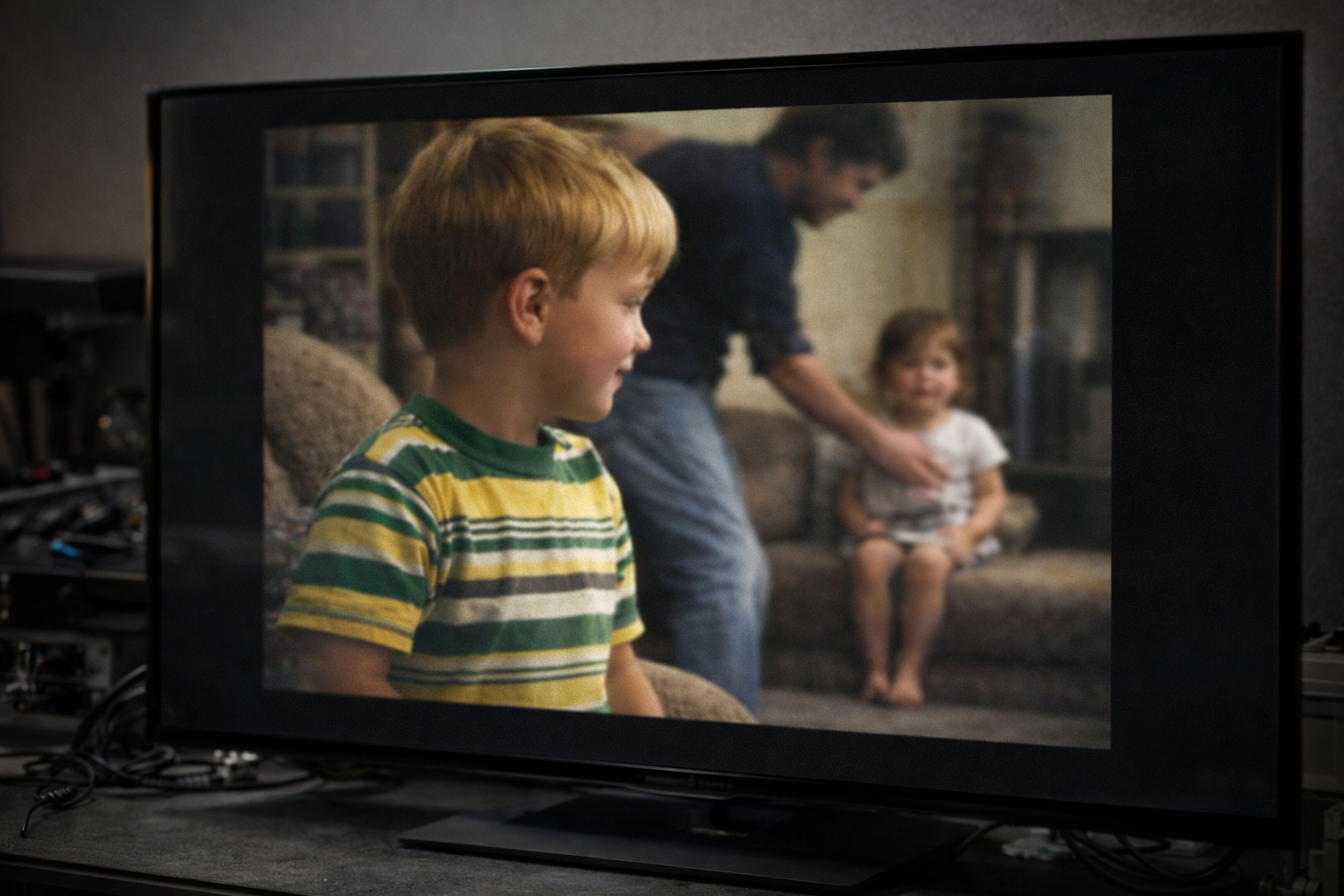
Shown here is actually an example of AI reconstructed footage that we had worked on for testing purposes. While there are clear benefits in certain areas like color reproduction and sharpness, there are still major issues with the tech doing some very weird stuff with elements of the image that it doesn’t properly “recognize”. A one size fits all AI process is absolutely coming sooner than later, but it’s not there quite yet.
At Forever Studios, our approach is different. We use AI as a tool, not a replacement. Targeted. Controlled. Subtle.
The goal is to improve the original while keeping it intact. Because once you cross that line, you’re not restoring history, you’re rewriting it.
The Best Video Transfer Services in 2026 (A Totally Not Biased List)
Alright. Now that we’ve walked through how this actually works, let’s talk about who’s doing it seriously. The core players in 2026 remain largely the same, though the list is generally getting a bit shorter every year:
Forever Studios
Capture.com
But, perhaps, now you’re looking at them differently.
Okay folks, it’s time for the showdown. WHile we didn’t go into the same excruciating detail that we did with our breakdowns in 2025, we’ll be talking about what’s changed (or hasn’t changed) in 2026.
Forever Studios - Your Destination for Craft & Customer Experience
If you’ve made it this far, you probably understand where we stand. We’re not trying to be the cheapest, and we’re not trying to be the fastest (even though we typically are).
We’re trying to be the service where:
• nothing gets overlooked
• no corners get cut
• and every project is handled with intent
That means:
• controlled hardware
• monitored capture
• detailed prep and QC
• and a team that actually takes ownership
If you care about the result, that’s what we do. And we aim to pair that with a level of accessibility and hospitality that can’t be matched in the wider industry. At the end of the day, that’s what we’re known for and intend to keep doing.
iMemories - The “Netflix of Memories”
iMemories continues to be one of the most accessible options in the market in 2026. Their strength is convenience, and their platform is easy to use. From what we’ve seen, their app makes content pretty accessible.
They may not like being referred to as “the people trying to be the better LegacyBox”, but it really is the most accurate one sentence description. If your priority is simplicity and accessibility, they do that well.
But their model is built for scale, and that comes with tradeoffs in how much attention each individual project receives.
As of early 2026, they’ve rolled out a new AI enhancement option, but reviews are mixed on the results from what we’ve seen. And based on our own work with AI implementations, we’re willing to bet that the main issue people are having surrounds situations where the model doesn’t quite know what to do with micro detail. In cases like that, it’s very common for those details to get smoothed over in an unnatural way, or produce AI hallucinations.
Capture.com - The Backend Provider for Brick & Mortar
Capture remains one of the most consistent providers in the space. They power a lot of large retail services. They’re mostly dependable, and definitely predictable.
But generally speaking, they’re not pushing the boundaries of quality, they’re maintaining a steady baseline that’s meant to be serviceable enough for the retail companies they’re partnered with.
For 2026, our research didn’t really turn up anything new to discuss versus what we went over in our 2025 article. And to be completely honest, that doesn’t surprise us.
EverPresent - The Doordash of Memories
EverPresent has leaned heavily into the overall service experience as their main business model, and generally speaking it seems to be working out for them. They have partnered with a pretty large network of 3rd party outfits to act as drop off points and logistics providers, which allows them to offer something that feels like a “high-touch” experience to a fairly wide national service footprint.
Their pickup model appeals to customers who want minimal involvement, but also feel apprehensive about packing and shipping their own media materials. And for the right customer, that’s valuable (even if it all ends up being shipped to their central HQ anyway).
As of 2026, it generally seems like their focus is less on technical optimization, and more on enhancing the convenience of their services even further. Which, considering it seems like a niche they’re happy with, makes total sense for them.
FAQ (Because You’re Probably Still Wondering About a Few Things)
How long does tape digitizing actually take?
Most projects fall in the 2–4 week range depending on volume and service level. Larger projects or more complex work can take longer.
Will my tapes look like HD or modern video?
No. Tape has inherent limitations. The goal is to make it clean, stable, and true to the original, not to make it something it wasn’t.
Can damaged tapes be repaired?
Often, yes. It depends on the severity. Some issues can be corrected. Others can only be worked around.
Why do results vary between companies?
Because the process varies. Hardware, monitoring, human involvement, and QC all play a role.
Is AI making tape digitizing better?
It can, but only when used carefully. Overuse leads to unnatural results.
What’s the best format for delivery?
MP4 is the standard for compatibility and ease of use across devices.
Wrapping It Up, Because We Know You’re Busy
We know. This isn’t the most neutral article on the internet. It’s not supposed to be. Because once you understand what actually goes into tape digitizing, you realize something pretty quickly: Not all services are doing the same thing.
They might look similar from the outside. But behind the scenes, they’re operating very differently. And at the end of the day, you’re not just choosing a service.
You’re choosing:
• how your media gets handled
• how problems get solved
• and whether anyone actually cares about the outcome
And yeah…
We care. Probably more than we should. But that’s kind of the point.

Ready to digitize it right the first time?
Bring your tapes, film, and photos to the team that treats every project as irreplaceable. All work is handled in-house in Boca Raton, never outsourced.