A History of 8mm Film & Super 8 Film Format
Discover the evolution of 8mm and Super 8 films: the tech that transformed home cinema.
Contents
The cinema we know and love today would not exist without the invention of the 8mm film reel. Its predecessor, 16mm film, was extremely expensive and required specialized equipment, which was not feasible for the average person. In 1932, the Eastman Kodak Company created the standard 8mm film format, an affordable and easy-to-use alternative that became widely available to the general public. The demand for the user-friendly, popular film format exploded, and suddenly, every family had an amateur filmmaker-in-training. Families could document vacations, special events, and other memorable moments like never before.
History of 8mm & Super 8 Film
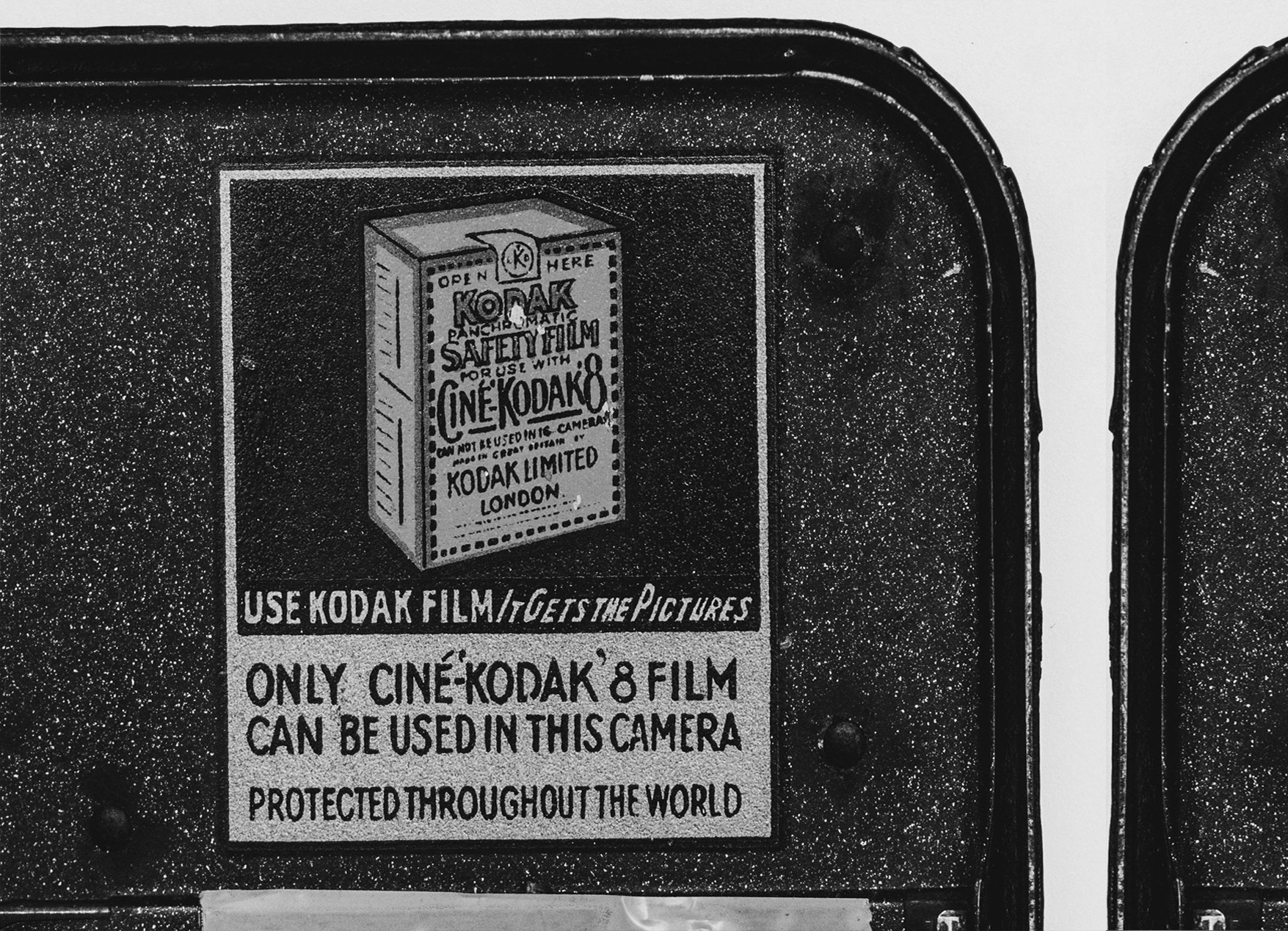
8mm film was basically a 25-foot 16mm film with extra sprocket holes on either side of the frame. The light-sensitive film passed twice through a Cine Kodak Eight camera. On its first revolution, only half of the film reel was exposed and recorded on. When that side was complete, the filmmaker would have to open the camera and flip the reel to reveal the other side. After the negative film was developed, it got cut in the middle. The two resulting 8mm reels were spliced together to create a 50-foot film strip. Does that sound like a hassle? Yes, but it was revolutionary back in the day.
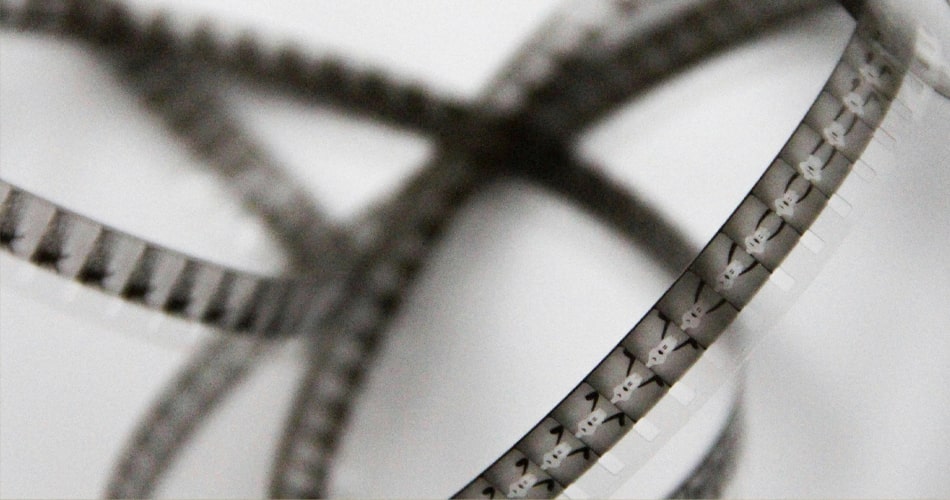
8mm Disney Film Reel
The film medium was a major improvement but not perfect. Reels had a limited runtime, capturing approximately 2.5 to 4 minutes of film. The run time was 18 frames per second, and the 8mm film did not produce the same professional picture quality as other types of film. Film enthusiasts had to be mindful of the lighting, focus, and composition to ensure their movies looked appealing.
In the 1960s, the resolution and color quality improved, making home movies look better than ever. Super 8 film became the new go-to for consumers. It was the same size as regular 8mm film, but the perforations were smaller, so a larger frame area was exposed. The film was also made out of plastic, which minimized jamming, an entire 50 feet of film could be shot without interruption. In 1973, Eastman Kodak added an oxide magnetic strip to record sound.
The Development of Super 8 Film Cameras
In 1965, Eastman Kodak needed a new camera to handle the superior Super 8 film, so they created the Super 8 camera. The new camera had a higher resolution and picture quality than the Cine Kodak Eight, and they were easy to use. Just place a film cartridge inside (no film threading required), and you were ready to go. Newer Super 8 cameras were easy to carry and perfect for travel. They also had fancy state-of-the-art features like automatic exposure, auto-zoom, and the ability to record sound. Super 8 cameras also provided users with information about the film speed and filtration. Precision notches at specific points on the film's cartridge activated switches, eliminating the need to rewind manually. Over time, film and camera prices fell, making the medium more accessible to a broader audience. They were an exciting way for families to document once-in-a-lifetime memories like weddings, family reunions, and babies' first steps.
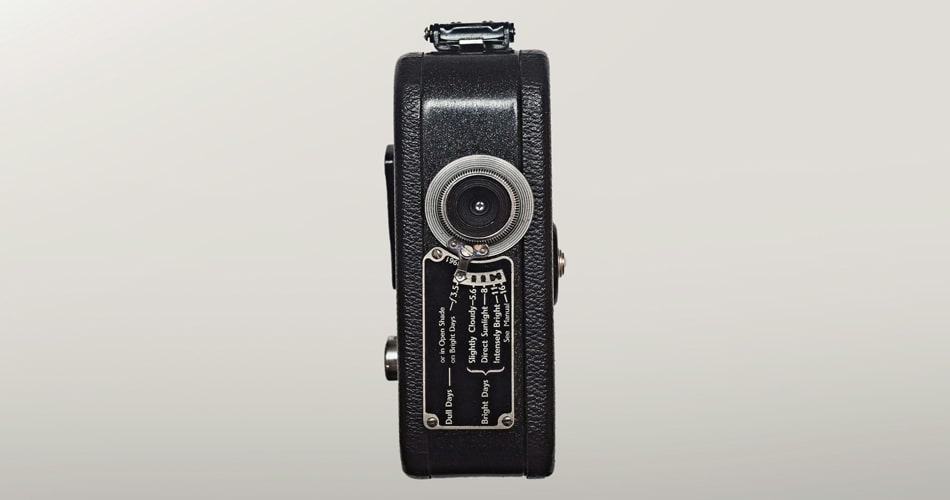
Super 8 Film Camera
The Movie Boom
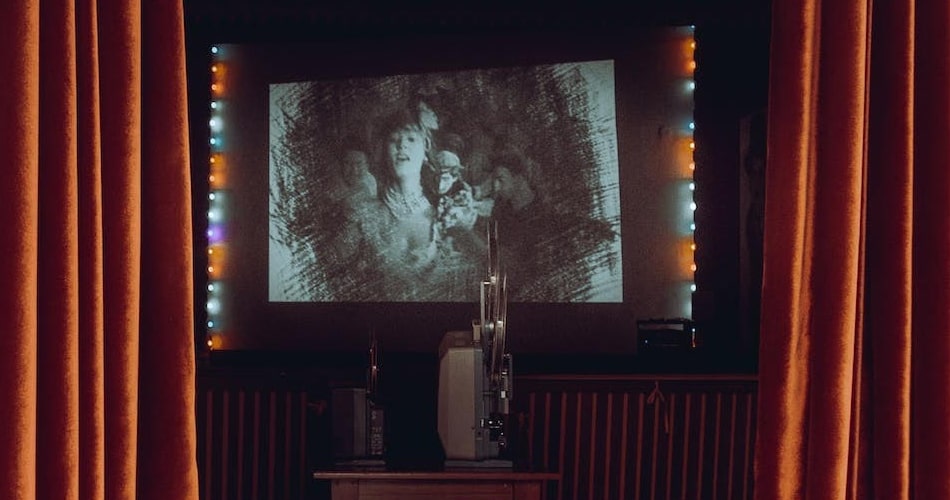
Projected Vintage Film
8mm film was responsible for a lot of the development of modern media. The most notable may be the movie boom of the 1930s, the Golden Age of Hollywood. 8mm and Super 8 film inspired many people to pick up a camera and become amateur movie makers, allowing a wider range of voices to be heard in the industry. 8 mm film propelled the film industry to create a movie market of silent, black & white films in the early days and, eventually, color films with audio that could be played on projectors to large audiences or at home.
Business people saw the potential, and many famous film studios like Warner Brothers, Paramount Pictures, and MGM became powerful vehicles for movie distribution. Some of the earliest forms of visual home entertainment were in 8mm and Super 8 film formats.
Shows and movies shot on film can be recaptured with modern digital equipment. VHS and DVD media have limited resolutions because TV screens can only display so much definition. They maintain that classic "vintage aesthetic." Film has an "infinite resolution." To get better image quality, studios just have to take higher-resolution images of every original frame.
Movies and TV play an integral role in our lives as most people's go-to form of entertainment (aside from social media). They are a welcome escape from reality, but more importantly, they are a cornerstone of modern culture and education. Movies and TV can teach valuable lessons that we may never have learned with the creation of film.
The Cultural Impact of 8mm Film on American Families
8mm and Super 8 film revolutionized how we keep and share memories. Historically, special events were recorded via paintings, the written word, or photographs. Unfortunately, few could afford such luxuries; only the wealthy could indulge. Even so, those precious moments of lives gone by were recorded as mere snapshots. The invention of film cameras allowed everyday people to document their lives, wherever and whenever they wanted. Home movies make reliving those experiences possible, sway to the music of your first dance, smile proudly at your child as they blow out their birthday candles, and laugh at your family's antics during the holidays. Film allows future generations to view, hear, and live vicariously through the stories of the past.
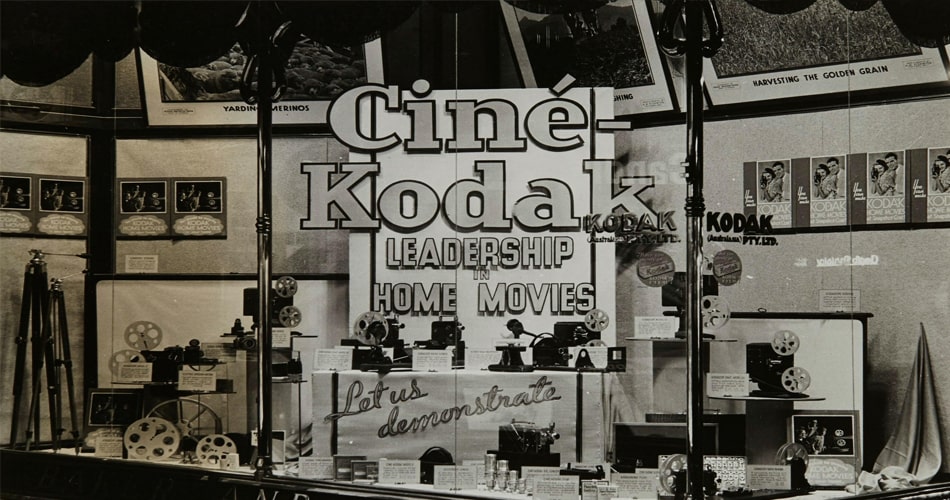
Old Retail Kodak Film Store
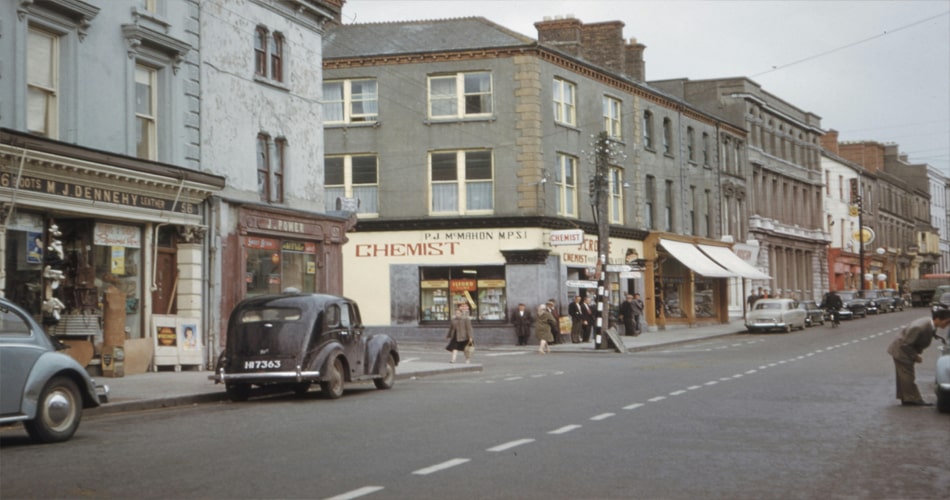
A Quiet Street in the 1950’s
Preserving film isn't only about nostalgia. It has historical, social, and cultural significance. Historical films allow modern audiences to conceptualize the past (i.e., customs, laws, etc.) and understand how society evolved. Consider their influence on our day-to-day lives. Amateur film format videos have been used as official accounts of important events in history.
"…many "home movies" shot by non-professionals that have, nevertheless, become vitally important historical documents were shot on 8mm. A case in point, the Zapruder film documenting the assassination of President Kennedy was shot on 8mm." (O'Dell, For Your Consideration: All About Film Formats!).
Movies mold society by showcasing cultures, addressing critical social issues, and inspiring people to take on new ideas.
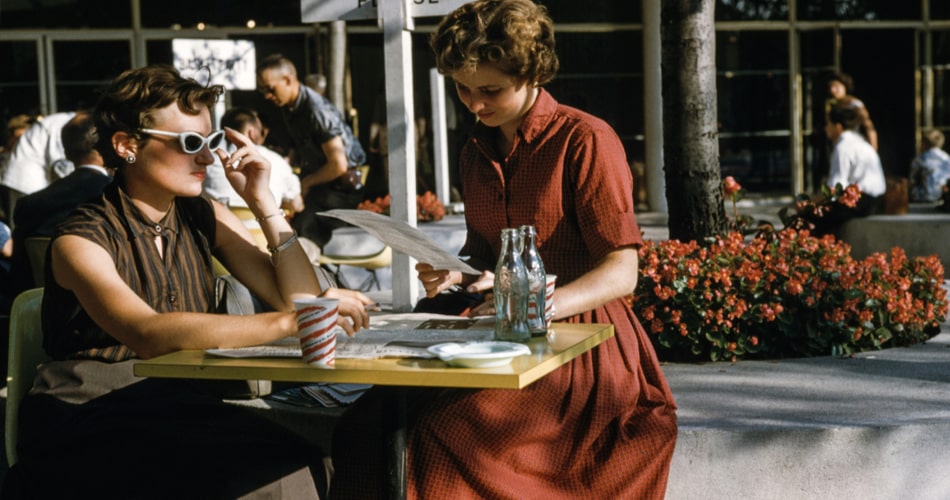
Circa 70’s Afternoon Lunch in the Sun
If it wasn't for film, groundbreaking shows like Star Trek wouldn't have inspired people to create Bluetooth or the cell phone you're probably reading this article on.
Digitizing 8mm Film for Historical Preservation
Unfortunately, the memories captured on film are endangered. Many people don't know how to store them correctly. Ideally, they should be stored at 40 degrees Fahrenheit and 40% humidity. Any deviation from that can lead to mold, warping, discoloration, etc. If you aren't storing your film properly, you may have already lost your precious memories.

Family Vacation near Yosemite (1937)
Some families may have inherited 8mm film. But they don't have the devices needed to play the movie. It doesn't do anyone much good if they can't watch the film. Fortunately, there are ways to convert 8mm film and Super 8mm film to a digital format and revive those memories. There are even a lot of 8mm film conversion equipment available on the marketplace.
How Forever Studios Can Help Digitize 8mm Film
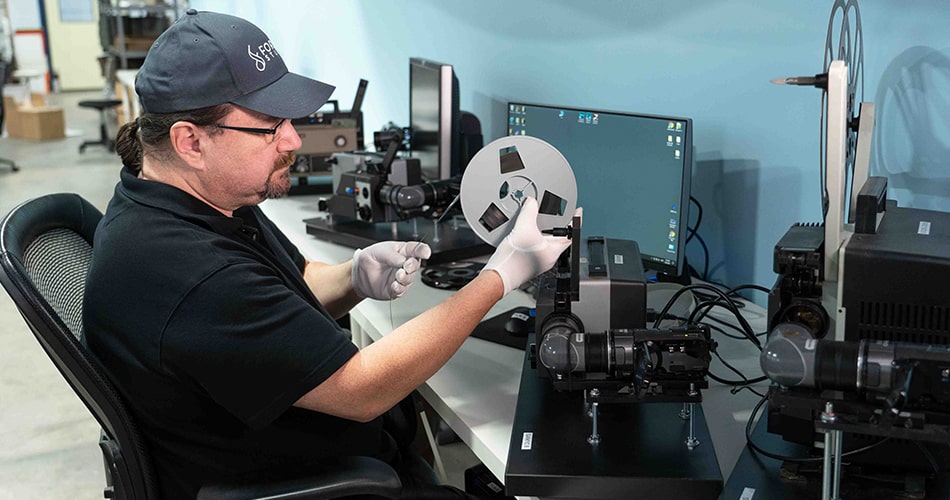
Expert Forever Studios Film Tech Examining Film Reel
Forever Studios understands the importance of preserving memories. We offer professional 8mm film to DVD and Super 8 digital conversion services. We can digitize 8mm film stocks before they degrade completely so you can experience your family's precious history over and over again.
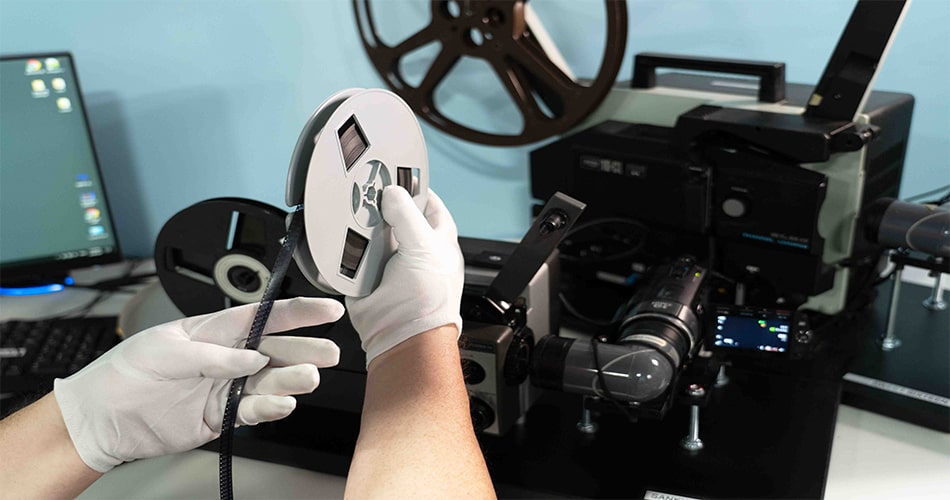
Close Up of 8mm Film Ready to be Captured
We offer several options for the digitization of 8mm and Super 8 films. You can easily use our film ship kit to safely send your analog film to our headquarters from anywhere in the USA. We will digitize your 8mm film and provide you access through a digital download, a USB stick, or our very own Forever Cloud. You can also combine these methods for extra security.
Our nearly 20 years of experience have made us trusted industry specialists, and we will restore your film to our high-quality standards.

Ready to digitize it right the first time?
Bring your tapes, film, and photos to the team that treats every project as irreplaceable. All work is handled in-house in Boca Raton, never outsourced.