Demystifying VHS: What Does VHS Stand For? | Forever Studios
What does VHS stand for? Video Home System - who invented it, why it beat Betamax, and what to do with your old tapes before they degrade.
Contents
- VHS (Video Home System) was created by JVC and released in Japan in 1976, then in the U.S. in 1977.
- VHS defeated Betamax by offering longer recording times (initially 2 hours vs. 1 hour) and open licensing to multiple manufacturers.
- By the late 1980s, VHS had captured approximately 90% of the home video market.
- VHS tapes degrade over 10 to 25 years due to magnetic particle shedding and environmental factors.
- Professional digitization preserves VHS memories before they are lost to magnetic degradation.
What Does VHS Stand For and Which Company Invented the Format?
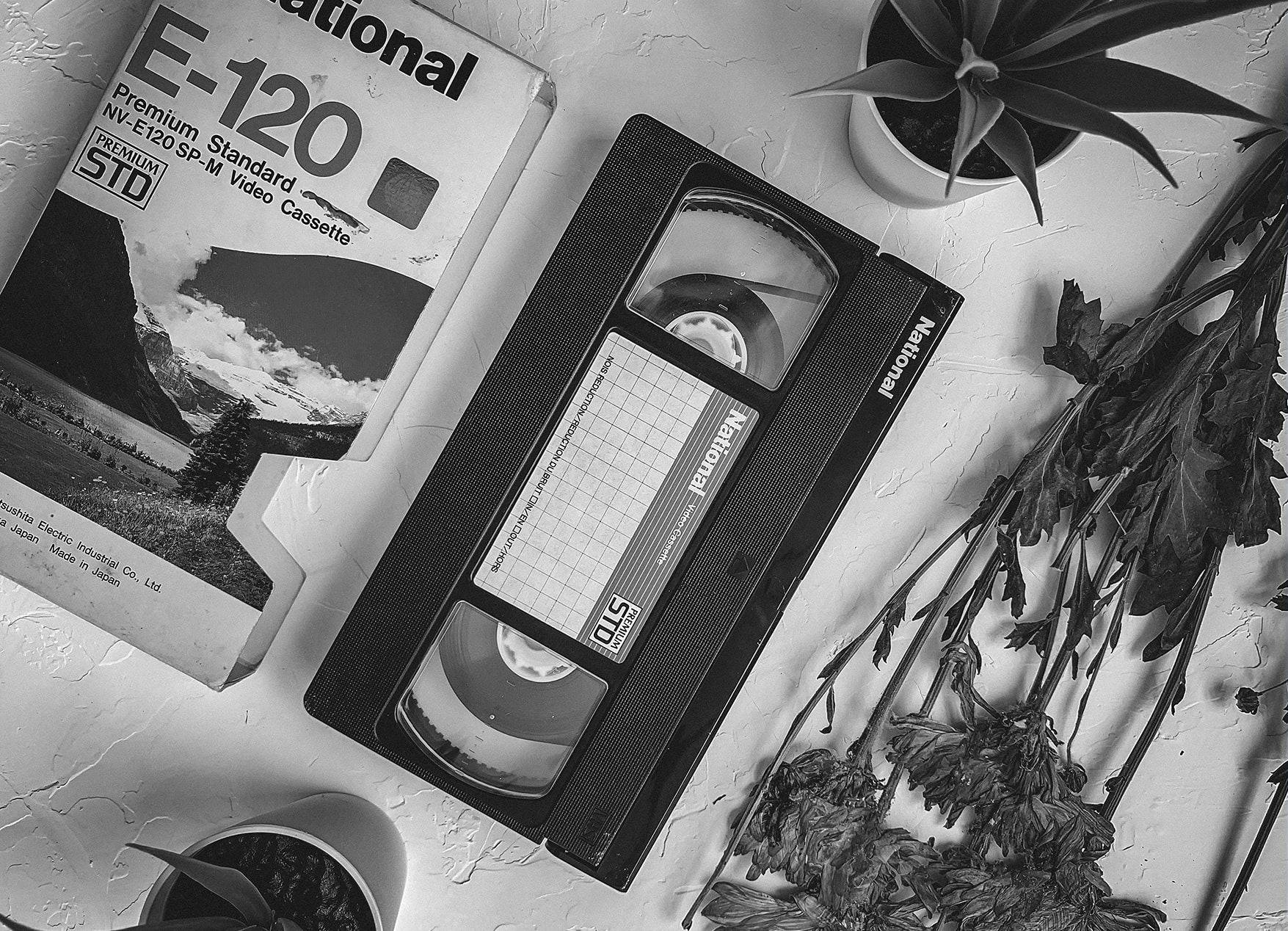
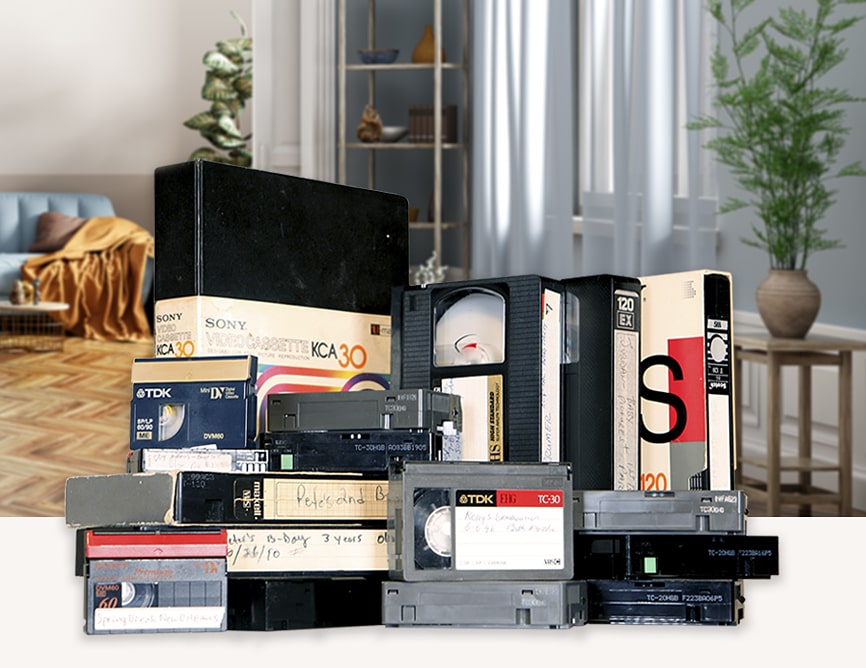
VHS is an acronym that stands for Video Home System. VHS was created by JVC (Japan Victor Company) and released in Japan in 1976 as a consumer magnetic-tape video recording and playback system. The format was introduced to the United States market in 1977. By the late 1980s, VHS had captured approximately 90% of the home video market, defeating Sony's competing Betamax format. The VHS cassette used half-inch magnetic tape housed in a plastic shelld half-inch magnetic tape housed in a plastic shell measuring 7.4 × 4.1 × 1.0 inches. Playing back VHS cassettes in the standard play mode ran at 3.335 cm/s and allowed for up to 120 minutes of recorded material to be played back on early VHS cassettes.
The VHS format revolutionized home entertainment by making video recording accessible to consumers worldwide.
"At Forever Studios, we've digitized thousands of VHS tapes over the past 15 years. Many clients are surprised to learn that VHS tapes degrade over time due to magnetic particle shedding and environmental factors. We recommend digitizing your tapes soon. Magnetic tape has a limited lifespan, typically 10 to 25 years under ideal conditions, and playback quality diminishes with each viewing."
David J., Preservation Specialist, Forever Studios
How Did VHS Change the Way People Watched Television?
VHS fundamentally shifted control of television viewing from broadcasters to consumers. Families no longer had to arrange their schedules around network programming. Time-shifting became the norm: record a show during its broadcast, then watch it at a more convenient hour. By 1985, more than 15,000 video rental stores operated across the United States, and the home video rental market generated over $3.7 billion annually by 1989. Video rental stores emerged in the early 1980s, offering shelves full of Hollywood films for a few dollars per night. Movie studios initially resisted home video, fearing piracy and lost theater revenue, but rental and sell-through markets soon became major profit centers more than 15,000 video rental stores operated across the United States and by 1989 the home video rental market had grown to a $3.7 billion a year industry. Movie studios initially resisted home video, fearing piracy and lost theater revenue, but rental and sell-through markets soon became major profit centers. However in the space of a few years home video rental and, above all, the sell-through of movies on VHS became a highly lucrative revenue stream and in the mid-1990s video rental even went on to surpass box office for many movies.
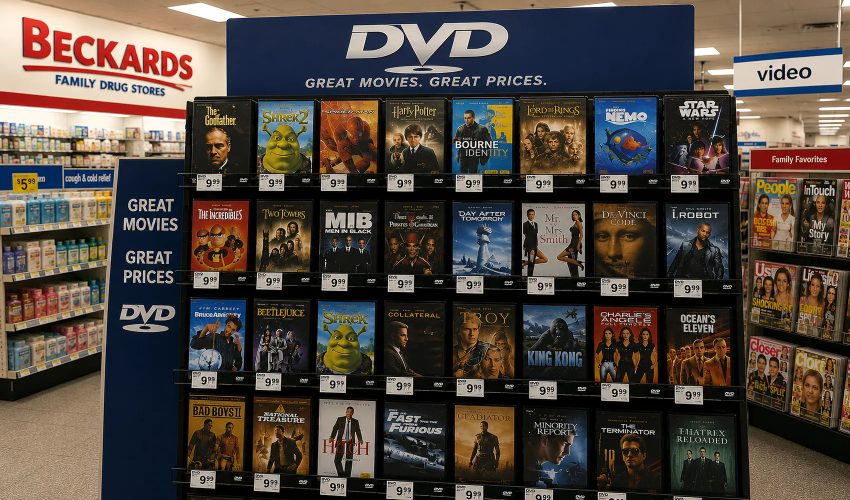
The shift from VHS to DVD marked a significant evolution in home video quality and convenience.
Why Did VHS Defeat Betamax in the Format War?
VHS offered longer recording times from the outset. Early VHS tapes offered 2 hours in Standard Play mode, enough for a feature film, while Betamax initially maxed out at 1 hour. Sony later extended Betamax runtime, but VHS had already secured its market foothold. JVC licensed VHS technology to other manufacturers such as Panasonic, RCA, and Sharp, flooding stores with competitively priced players. Sony kept Betamax proprietary, limiting supply and keeping prices higher. Hollywood studios and rental chains gravitated toward the format with the largest install base, reinforcing VHS dominance. By 1987, VHS commanded over 90% of the North American VCR market.
Forever Studios · Boca Raton, FL
VHS Tape Transfer
We clean, repair, and digitize VHS and camcorder tapes, including flood-recovery cases.
GET STARTED →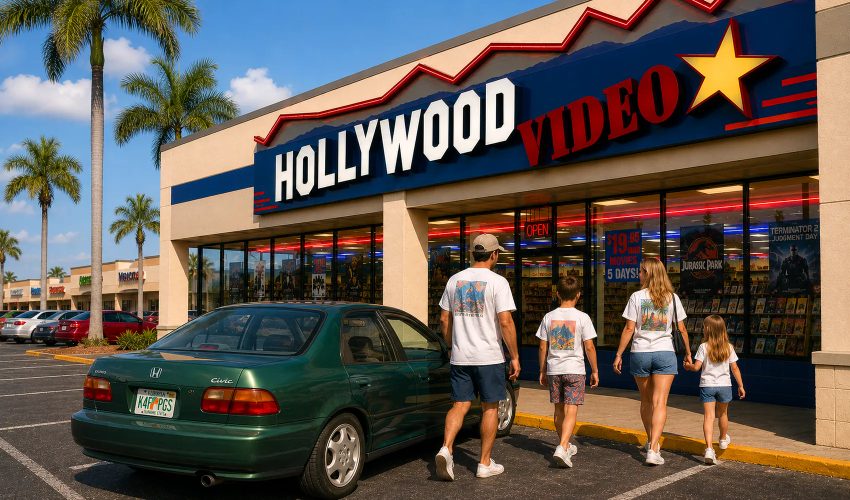
Video rental stores became the primary distribution channel that secured VHS dominance in homes throughout the 1980s and 1990s.
What Technology Replaced VHS Tapes?
DVDs emerged in the late 1990s with superior video and audio quality, sharper picture resolution, and digital durability. Broadband connectivity enabled digital distribution and streaming services to gain widespread popularity in the mid-2000s. Companies like Netflix, Amazon Prime Video, and Hulu offered vast libraries of movies and TV shows for instant streaming, revolutionizing the way people accessed entertainment. As demand for VHS continued to decline, manufacturers ceased production of VHS tapes and players. The last major VCR was produced by Funai Electric in July 2016, marking the end of a 40-year manufacturing run. VHS became an obsolete format, replaced by digital media and cloud-based streaming platforms.
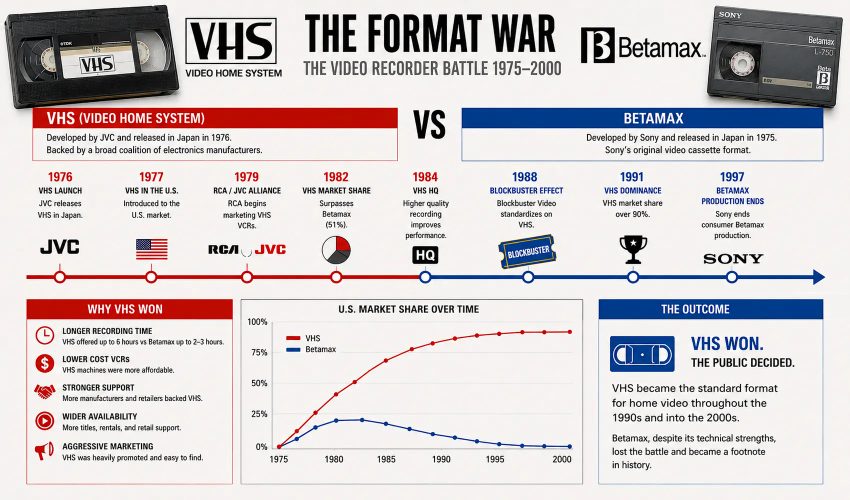
The VHS and Betamax format war spanned from 1975 to 2000, with VHS ultimately winning market dominance despite Betamax's technical advantages.
Forever Studios · Boca Raton, FL
VHS Tape Transfer
We clean, repair, and digitize VHS and camcorder tapes, including flood-recovery cases.
GET STARTED →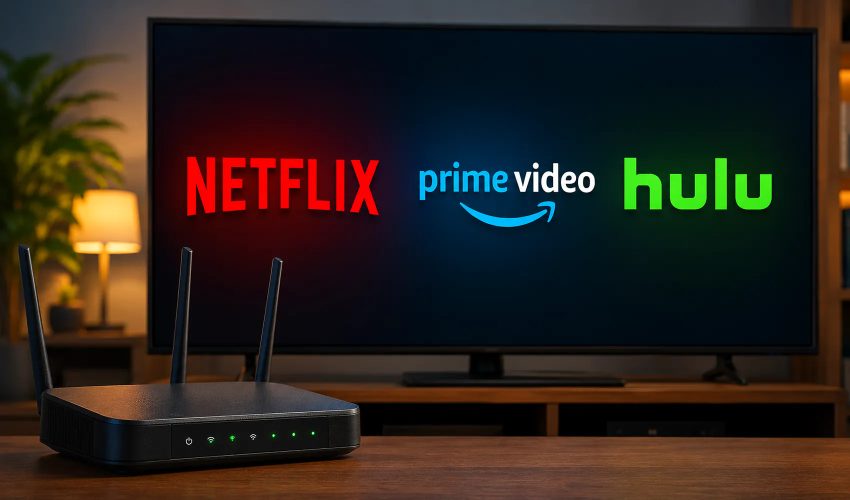
The rise of streaming platforms fundamentally transformed how audiences consume video content at home.
How Can I Digitize My Old VHS Tapes?
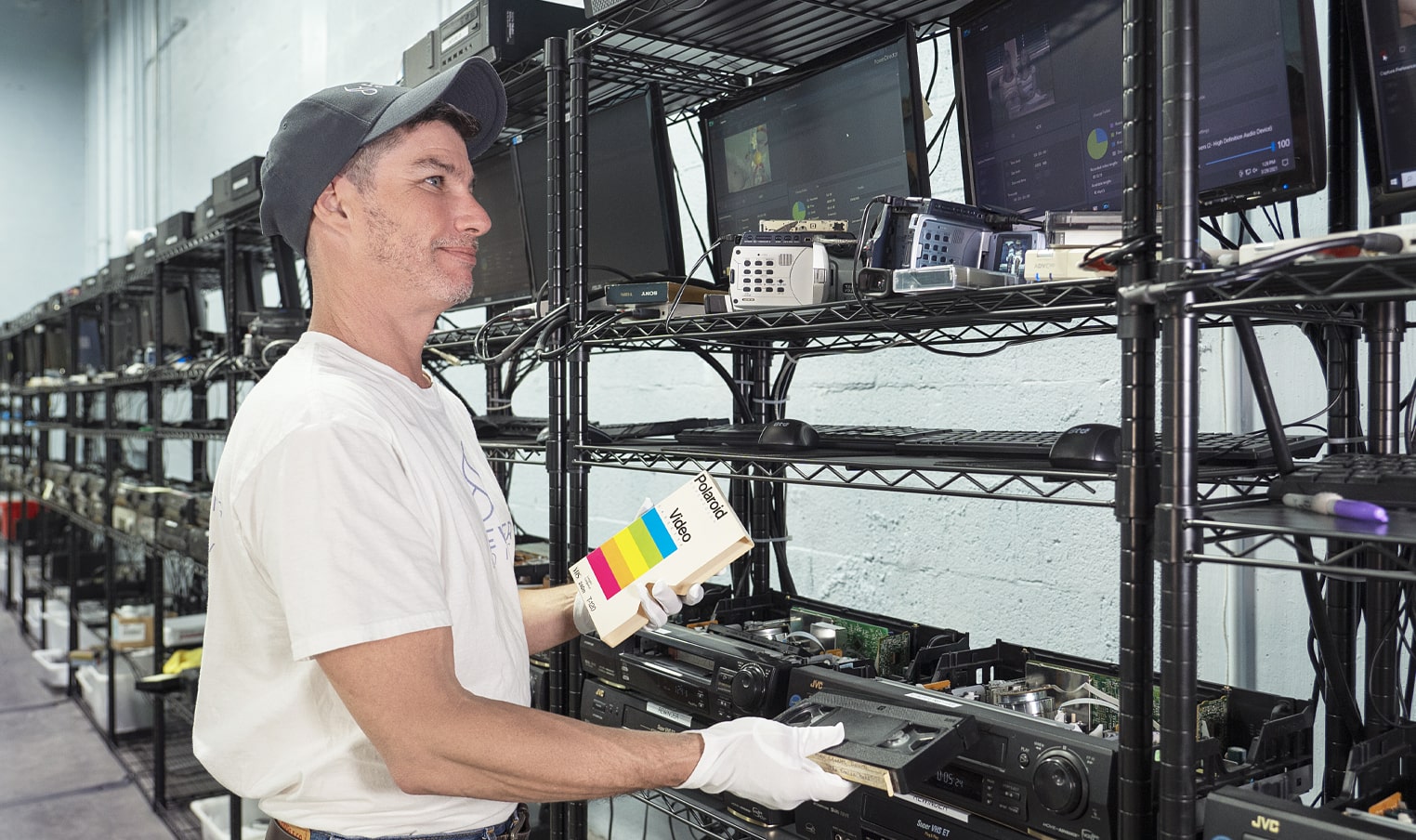
Professional digitization preserves your tapes before magnetic degradation erases the footage. Forever Studios offers professional VHS digitization that captures your footage using calibrated broadcast-grade decks and outputs the result as MP4 digital files or DVD. We charge $12 per tape, and originals never leave our Boca Raton facility. We aim for 2 to 3 weeks on most orders, though actual turnaround varies by media type and season season. Each tape undergoes triple quality control: technician review, studio leader check, and final project manager approvalround varies by media type and season. Each tape undergoes triple quality control: technician review, studio leader check, and final project manager approval. For deteriorating tapes, conversion is time-sensitive. The magnetic coating on VHS tape sheds particles with each playback and with age, permanently erasing portions of your footage. Professional transfer equipment reads weakened signals more effectively than consumer VCRs, recovering detail that a home setup would miss.
★★★★★
"Like most people, for the past several years, I have been planning to convert my old VHS and HVS-C tapes which I had filmed from my family, into the digital base. Unfortunately, every time I took the time to convert one, it took a long time. So as you can imagine, I had a huge guilt feeling that they will be destroyed before I get them all converted. After some research online, I discovered that it is not the ones that advertise the most with the highest consumer satisfaction but perhaps the quieter companies that put their resources into better quality customer service rather than marketing. To this point, I came across Forever Studios and from what I gathered online, they appeared to be more to my liking. I contacted them about my tapes. They took their time to find out how many tapes and what kind I had. They shipped me two boxes to use to send them my tapes. They immediately contacted me and informed me that they had received my tapes. After about three weeks, they contacted me once again to inform me that all my tapes had been converted and they are all available online for me to review and download. I had also invested an additional $5 per tape to use the digital enhancement option which I was happy to do so since these tapes were from my precious memories. I must say I was pleasantly surprised as several of my tapes had lost most of the color due to old age but, they were able to add the color back into those videos. Please note that this addition option is not able to take care of all deteriorations as I could still see the lines and other imperfection on the converted material. So please keep in mind that this additional investment, although well worthed, it is not the answer to all problems. Finally, I just received all my original tapes. SO, I have the option to either keep them or destroy them. I am sure thee are other companies out there who would do a fine job. However, if you are not sure, I do recommend Forever Studios."
Kris, verified customer review
Frequently Asked Questions
What does VHS stand for?+
VHS is an acronym for “Video Home System.” The system was developed by JVC (Japan Victor Company) and released in Japan in 1976. The system was later released in the United States in 1977.
Why did VHS beat Betamax in the format war? VHS won out over Betamax for three main reasons: it offered longer recording time per cassette (initially 2 hours vs. 1 hour for Betamax), JVC licensed the format more liberally to other manufacturers, and VHS players cost less for consumers. By the late 1980s, VHS had captured roughly 90% of the home video market. When did VHS tapes become obsolete? VHS started declining in the late 1990s as DVDs took over, and by the mid-2000s most major studios stopped releasing films on VHS. The last major VCR was produced by Funai Electric in July 2016. VHS is now considered a legacy format, and the magnetic tape inside continues to degrade with age. Can I convert my old VHS tapes to digital format? Yes, professional digitization services can transfer VHS content to digital files before the magnetic tape degrades further. Forever Studios and similar facilities use broadcast-grade equipment to capture footage and deliver MP4 files or DVDs, preserving family memories and historical content that would otherwise be lost to time.tamax in the format war?+
VHS won out over Betamax for three main reasons: it offered longer recording time per cassette (initially 2 hours vs. 1 hour for Betamax), JVC licensed the format more liberally to other manufacturers, and VHS players cost less for consumers. By the late 1980s, VHS had captured roughly 90% of the home video market.
When did VHS tapes become obsolete?+
VHS began declining in popularity when DVDs arrived in the late 1990s. By the mid-2000s most major movie studios had stopped releasing films on VHS. The last major VCR manufacturer, Funai Electric, discontinued production in July 2016, marking the format as obsolete.
Can I convert my old VHS tapes to digital?+
Forever Studios offers VHS to digital conversion using calibrated professional video decks that extract maximum signal from your tapes and capture them as digital files (MP4 or DVD). For deteriorating tapes, conversion is time-sensitive. The longer you wait, the more footage is permanently lost to magnetic degradation
Ready to digitize it right the first time?
Bring your tapes, film, and photos to the team that treats every project as irreplaceable. All work is handled in-house in Boca Raton, never outsourced.