How to Clean 35mm Slides Safely at Home [2023 guide]
Discover the complete guide to safely cleaning 35mm slides at home. Preserve your cherished memories with the best tips.
Contents
Preserving memories captured on 35mm slides is an invaluable endeavor, as these small frames hold a treasure trove of cherished moments from the past. However, over time, dust, dirt, and other contaminants can accumulate on the surface, obscuring the clarity and beauty of the images. To bring these treasured memories back to life and ensure their longevity, knowing how to clean 35mm slides properly is essential.
The approach to cleaning slides varies depending on the level of dirtiness present on the slides. Some slides may have a mere coating of dust, while others could harbor mold, lint, or debris. As a result, certain slides respond well to gentle cleaning to tackle mild dirt accumulation, while others necessitate a more thorough and meticulous approach to effectively combat moderate dirt and grime.
Cleaning your slides is the first step toward preserving them for the future. Leaving your slides neglected can lead to a gradual degradation of image quality over time.
In this comprehensive guide, we will explore techniques to clean 35mm slides safely and effectively, tailored to the specific needs of your cherished collection.
Preparing Slides for Cleaning
1. Create a Clean Workspace - Begin by selecting a space that is free from dust and adequately lit. This ensures that contaminants are minimized during the process of cleaning slides. Place a clean, soft surface, such as a lint-free cloth or a microfiber towel, to provide a protective barrier for your slides.
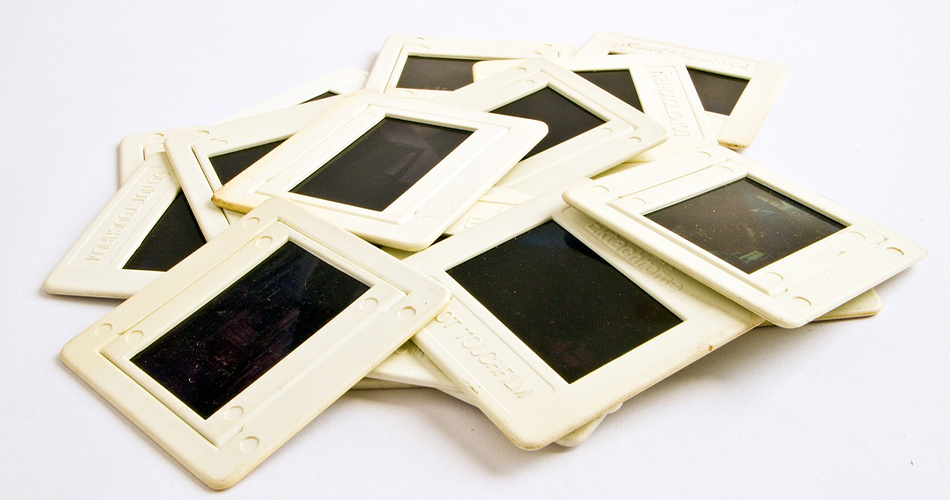
2. Handle Slides with Care - Prior to handling the slides, wash and thoroughly dry your hands. This simple practice prevents the transfer of oils, dirt, or moisture onto the slides, which could compromise their quality. Consider wearing soft gloves or using slide tweezers to further reduce direct contact. When holding the slides, focus on grasping them by their edges.
Method 1: Compressed Air
Cleaning mildly dirty 35mm slides with compressed air is a hassle-free and secure approach. For this method, you'll require compressed air canisters (available at photography stores, electronics retailers, office supply outlets, and online marketplaces), and a pair of gloves on hand can help prevent fingerprints from ending up on your images.
To get started, it's a good idea to create a neat and airy workspace that minimizes dust. When you pick up the slides, be sure to hold them by their edges. This little trick keeps fingerprints and oils from getting on the actual image, which is super important.
Now, when you're ready, grab that canister of compressed air. Hold it upright and point the nozzle toward your slide. Here's a little tip: keep the nozzle a few inches away. This prevents any accidents that could damage the slide. Give that nozzle a gentle press. You'll see short bursts of air do the trick. Begin from one corner, and make your way across with a steady hand. Oh, and don't forget to take a closer look. Check if there are any tiny particles left. If so, repeating on the other side should do the trick.
If you encounter stubborn dirt or marks, you can consider using a soft brush or a microfiber cloth for further cleaning.
Method 2: Microfiber Cloth
Starting with caution is essential when cleaning slides with microfiber cloth. While utilizing a microfiber cloth for wiping down slides can lead to better results than using compressed air, it's imperative to handle the process with the utmost CARE.
Pay special attention to selecting a high-quality microfiber cloth labeled as lint-free, non-abrasive, and suitable for delicate surfaces. This choice guarantees a safe and effective cleaning process that avoids the risk of scratches or residue on your slides. You can easily acquire suitable microfiber cloths at camera stores, online retailers, electronics stores, optical shops, or craft/art supplies stores.
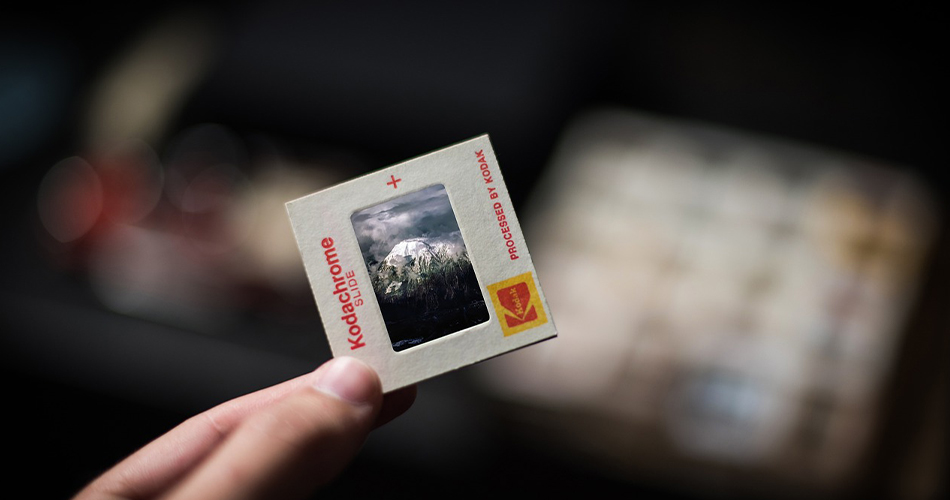
We recommend placing the slide flat on a clean surface, allowing you to approach the cleaning process with care. Before using a microfiber cloth, consider handling the slide by its edges or using gloves to prevent fingerprints and oils. To maintain their delicate nature, it's best to steer clear of any liquids or solvents. Begin by gently removing loose dust using a blower. Once you've taken this important step, softly wipe the slide's surface with a microfiber cloth, ensuring minimal pressure is applied to prevent any potential scratching.
Microfiber cloths are widely used for cleaning sensitive items such as camera lenses, eyeglasses, screens, and, in this case, 35mm slides. They are a popular choice for cleaning photographic materials due to their lint-free nature, soft texture, and ability to effectively remove contaminants without scratching or damaging the surface.
Method 3: Anti-Static Brush
This method is particularly suitable for those who want to avoid liquids or solvents and desire a quick touch-up solution.
When looking to buy an anti-static brush, make sure it's suited for delicate surfaces. You can find these brushes at camera stores, electronics shops, and online retailers.
When cleaning your 35mm slides, a few gentle swipes of the brush over the surface effortlessly whisk away those pesky dust particles. Remember, employ light strokes and avoid applying excessive pressure to prevent any potential scratches.
Method 4: Cotton Swabs and Mild Cleaning Solution
This method is suitable for individuals seeking a little deeper clean for their slides. We suggest you give this a shot if you're dealing with stubborn smudges or dirt.
Less is more when it comes to the cleaning solution. Apply just a small amount onto the swab to avoid over-saturating the slide.
If you're unsure about the cleaning solution's compatibility, test it on a less important slide first to make sure it doesn't cause any adverse effects.
Method 5: Alcohol-Based Film Cleaning Fluid
This method is best for those who want a thorough clean and aren't afraid of a little extra effort. We suggest you consider it if you're dealing with more stubborn grime or marks on your slides.
First and foremost, be sure you’re using a cleanser specifically designed for cleaning slides. If you're working with a concentrated alcohol-based solution, it's a good idea to dilute it as recommended by the manufacturer. This can be a proactive step to safeguard the film emulsion.
When applying the cleaning fluid, a little goes a long way. It's best to use it sparingly to prevent any potential seepage into the edges of the film, which could lead to damage. Partner the cleaning fluid with a soft, lint-free cloth tailored for delicate surfaces. Lastly, allow the slide to thoroughly dry after cleaning before handling or storing it
Moreover, working in a well-ventilated area when using alcohol-based solutions is important. This practice not only prevents inhaling fumes but also promotes proper evaporation.
How to Store Cleaned Slides
Once you've learned how to clean 35mm slides, you might be curious about the optimal approach for storing them.
Although not the most optimal or secure choice, you can store your 35mm slides using archival-quality plastic sleeves or slide boxes. In that case, it's important to ensure that the slides are thoroughly dry, well-organized, and appropriately labeled for convenient future reference. You should place them in a stable, cool, and dark environment, away from direct sunlight and extreme temperature fluctuations. To ensure their preservation, it's advisable to handle them as little as possible and periodically inspect them for any signs of deterioration.
However, keep in mind that this approach is generally not highly recommended, especially if these memories hold significant value to you and you wish for them to last forever.
The best thing you can do is consider another valuable step – transforming your slides into digital images for lasting preservation. This approach offers the advantage of safeguarding your memories for the long haul, free from concerns about physical damage and storage limitations. It also grants you the convenience of accessing your images from various devices - smartphones, tablets, computers, etc. and sharing them with loved ones.
If you require further information, please don't hesitate to contact us. We are eager to assist with any additional inquiries you may have.

Ready to digitize it right the first time?
Bring your tapes, film, and photos to the team that treats every project as irreplaceable. All work is handled in-house in Boca Raton, never outsourced.